Follow Us:

News

What Is an Infrared Drying Machine and How Does It Improve Industrial Drying Efficiency

2026-01-09 0 Leave me a message

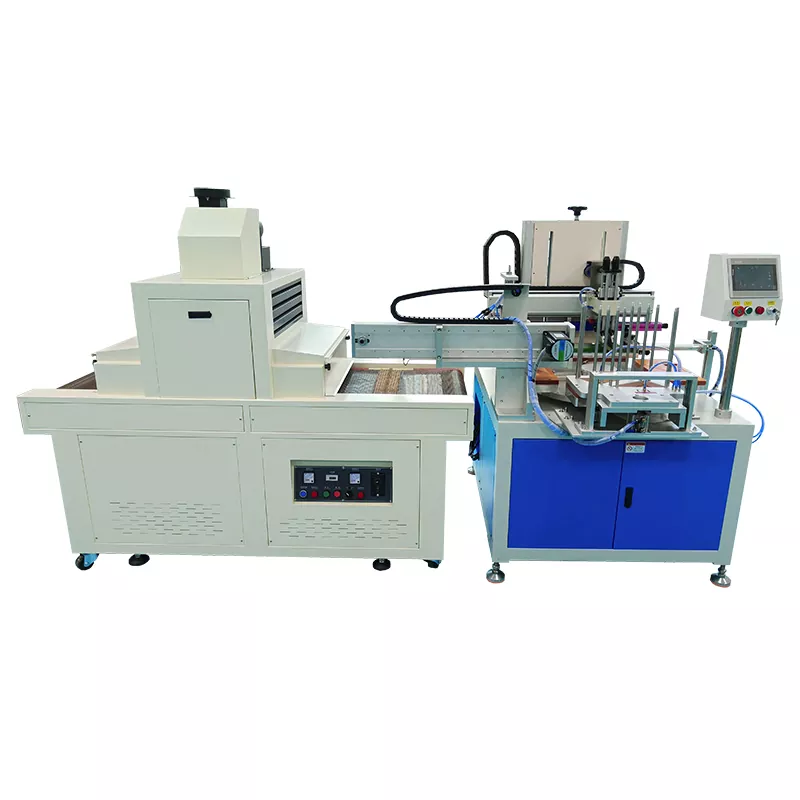
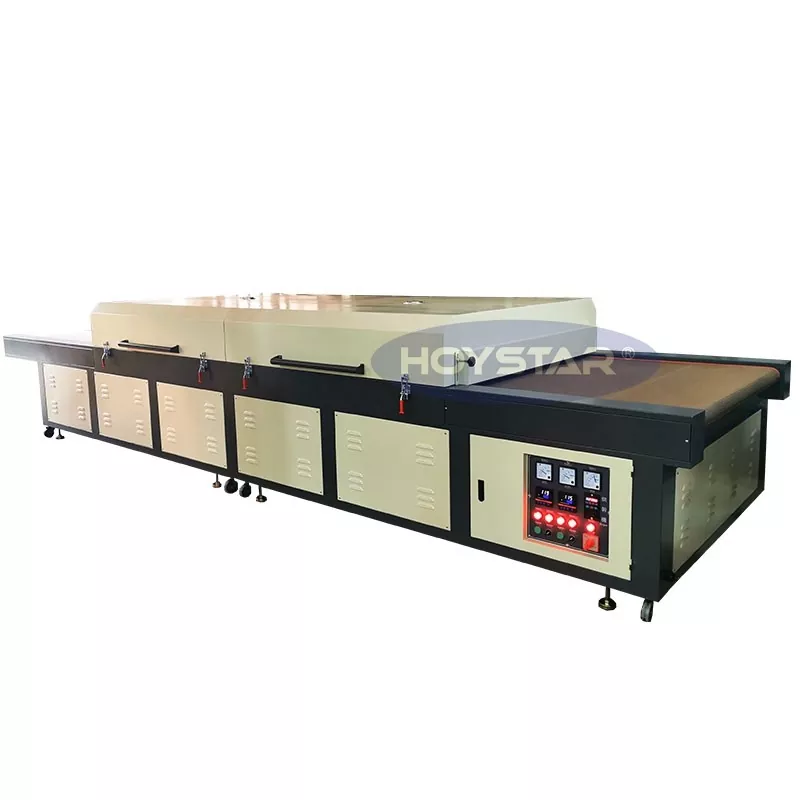
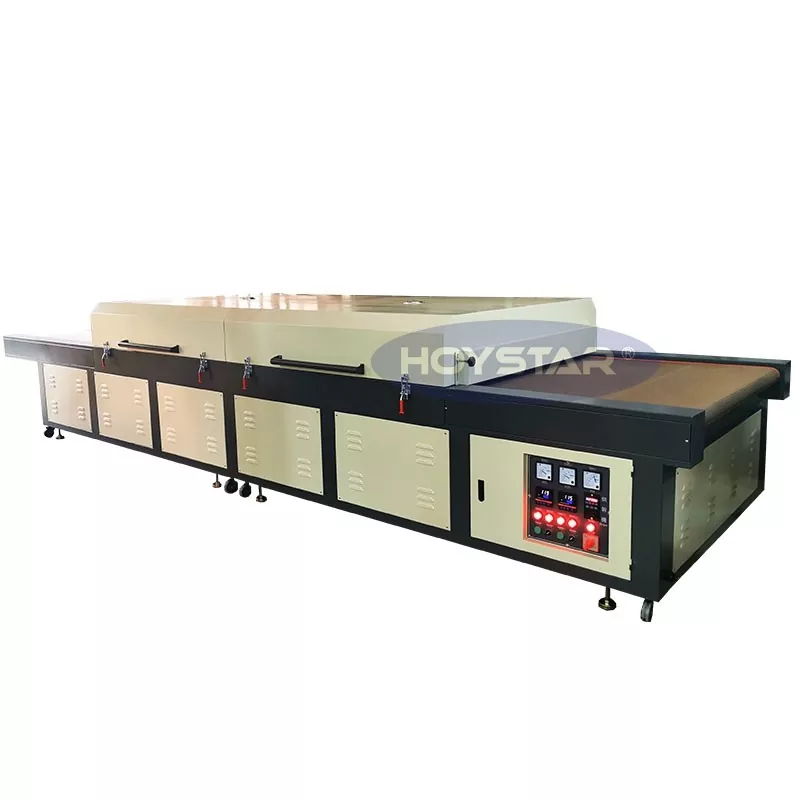
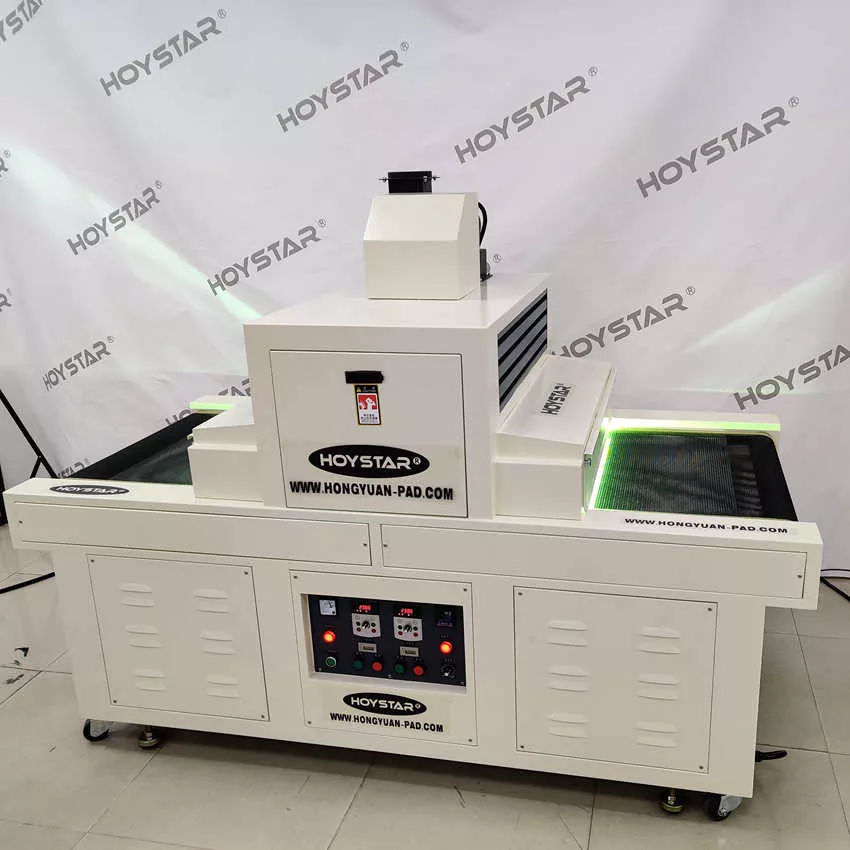
An Infrared Drying Machine is an advanced industrial drying solution that uses infrared radiation to rapidly and efficiently remove moisture or cure coatings on various substrates. Compared with conventional hot air drying systems, infrared drying machines offer faster response times, lower energy consumption, improved product quality, and superior process control.

This in-depth guide explores how infrared drying machines work, their core components, key advantages, industrial applications, selection criteria, and future trends. Whether you are in printing, coating, textiles, electronics, or packaging, this article will help you understand why infrared drying technology has become a critical part of modern manufacturing.

Infrared Drying Machine

Table of Contents


1. What Is an Infrared Drying Machine?

An Infrared Drying Machine is an industrial device designed to dry, cure, or heat materials by emitting infrared radiation. Unlike convection-based systems that rely on heated air, infrared drying directly transfers energy to the product surface and underlying layers.

Infrared energy penetrates coatings, inks, adhesives, or moisture layers and converts radiation into heat at the molecular level. This direct energy transfer results in faster drying times, more uniform results, and reduced energy waste.

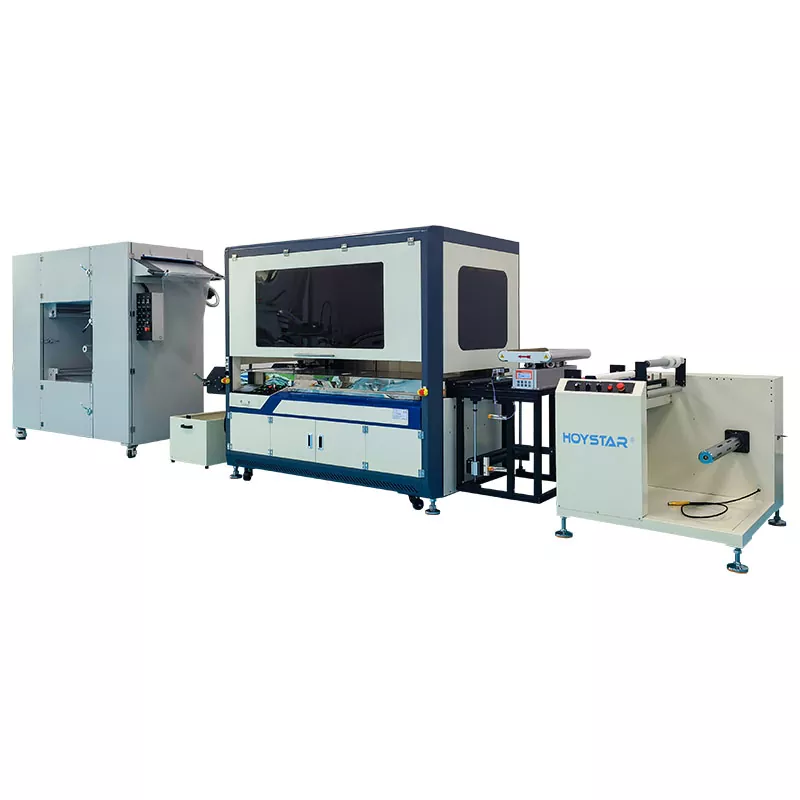
Manufacturers such as HOYSTAR integrate infrared drying machines into production lines to achieve higher throughput, improved consistency, and lower operational costs.


2. How Does an Infrared Drying Machine Work?

Infrared drying machines operate by generating electromagnetic radiation within the infrared spectrum. When this radiation reaches the material surface, it excites molecular bonds, causing rapid heating and evaporation of moisture or curing of coatings.

Main Working Principles

  • Infrared emitters generate controlled radiation energy
  • Radiation penetrates the product surface
  • Energy converts directly into heat inside the material
  • Moisture evaporates or coatings cure rapidly

Compared to hot air systems, infrared drying minimizes heat loss to the surrounding environment and ensures precise temperature control.


3. Types of Infrared Drying Machines

Type Wavelength Key Features Typical Applications
Short-Wave Infrared 0.76 – 1.4 μm Fast response, high intensity Printing inks, high-speed lines
Medium-Wave Infrared 1.4 – 3 μm Balanced penetration and control Coatings, plastics, textiles
Long-Wave Infrared 3 – 1000 μm Gentle heating, surface drying Food, wood, sensitive materials

4. Key Advantages of Infrared Drying Machines

  • High drying efficiency with reduced cycle times
  • Energy savings compared to conventional dryers
  • Compact system design for limited factory space
  • Improved product quality with uniform drying
  • Instant start-stop control without warm-up delays

These advantages make infrared drying machines ideal for high-speed industrial environments.


5. Industrial Applications of Infrared Drying Machines

Infrared drying machines are widely used across multiple industries:

  • Printing industry: ink drying for offset, flexographic, and digital printing
  • Coating & painting: curing of paints, varnishes, and lacquers
  • Textiles: fabric drying and finishing
  • Electronics: PCB coating and adhesive curing
  • Packaging: fast drying of labels and cartons

6. Infrared Drying vs Traditional Hot Air Drying

Comparison Factor Infrared Drying Hot Air Drying
Drying Speed Very fast Slow
Energy Efficiency High Low
Temperature Control Precise Limited
Footprint Compact Large

7. How to Choose the Right Infrared Drying Machine

  1. Identify material type and thickness
  2. Determine required drying speed
  3. Select appropriate infrared wavelength
  4. Consider integration with existing lines
  5. Evaluate supplier experience and support

Working with experienced manufacturers like HOYSTAR ensures customized solutions that match your exact production needs.


8. Energy Efficiency and Sustainability

Infrared drying machines support sustainable manufacturing by:

  • Reducing overall power consumption
  • Lowering carbon emissions
  • Minimizing material waste
  • Supporting eco-friendly production standards

These benefits align with global energy-saving and environmental regulations.


9. Future Trends in Infrared Drying Technology

Future developments in infrared drying machines include:

  • Smart sensors and AI-based temperature control
  • Hybrid drying systems combining IR and hot air
  • Enhanced emitter materials for longer lifespan
  • Industry 4.0 integration

10. Frequently Asked Questions (FAQ)

Q1: Is an infrared drying machine suitable for heat-sensitive materials?

Yes. With proper wavelength selection and control, infrared drying can be gentle and precise.

Q2: How much energy can an infrared drying machine save?

Energy savings typically range from 20% to 60% compared to traditional hot air systems.

Q3: Can infrared drying machines be customized?

Absolutely. Most systems can be tailored for size, power, wavelength, and control requirements.

Q4: What maintenance is required?

Infrared drying machines require minimal maintenance, mainly periodic emitter inspection.


Conclusion

An Infrared Drying Machine is a powerful, efficient, and future-ready solution for modern industrial drying needs. From faster production speeds to reduced energy costs and improved product quality, infrared drying technology continues to reshape manufacturing processes worldwide.

If you are looking for a reliable and high-performance infrared drying solution, partnering with an experienced supplier like HOYSTAR can help you achieve optimal results. Contact us today to explore customized infrared drying machines designed for your production line.

Related News
Leave me a message
X
We use cookies to offer you a better browsing experience, analyze site traffic and personalize content. By using this site, you agree to our use of cookies. Privacy Policy
Reject Accept