Follow Us:

News

Why is screen printing so popular?

2025-11-05 0 Leave me a message

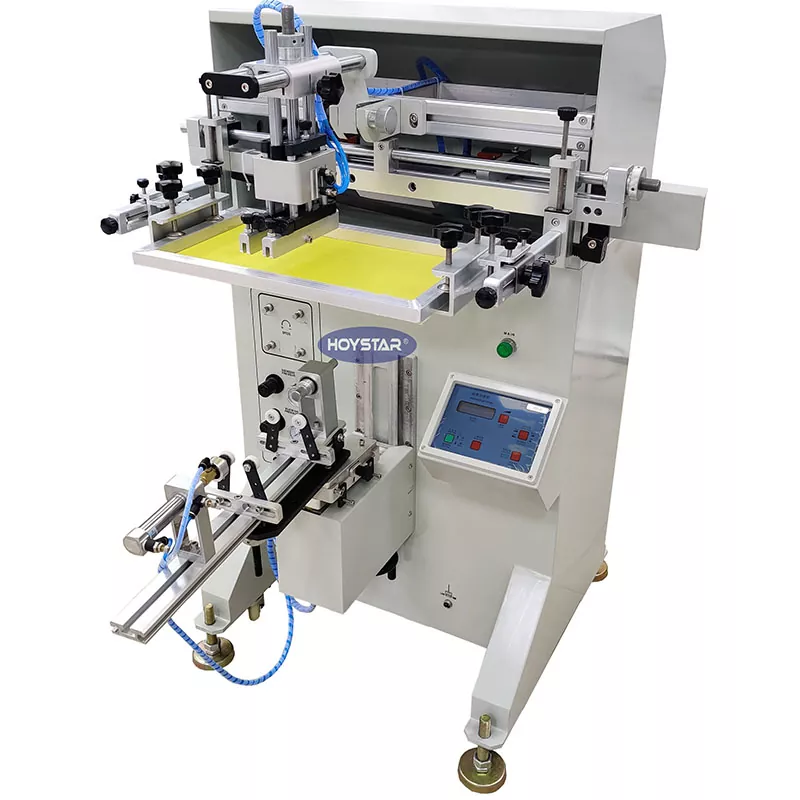
Screen printing is a common method for transferring images to various surfaces such as fabrics, paper, plastics, and metals. It forces ink through a mesh screen onto the desired substrate, creating vibrant and durable prints. Let's delve into this fascinating technology and explore its key aspects.


1. Screen Printing Process


Preparation: The first step in screen printing is preparing the design. This typically involves creating a stencil by covering areas on the screen where ink shouldn't seep through.


Ink Mixing: Next, the inks are mixed to achieve the desired color and consistency. This allows for precise color matching and customization.


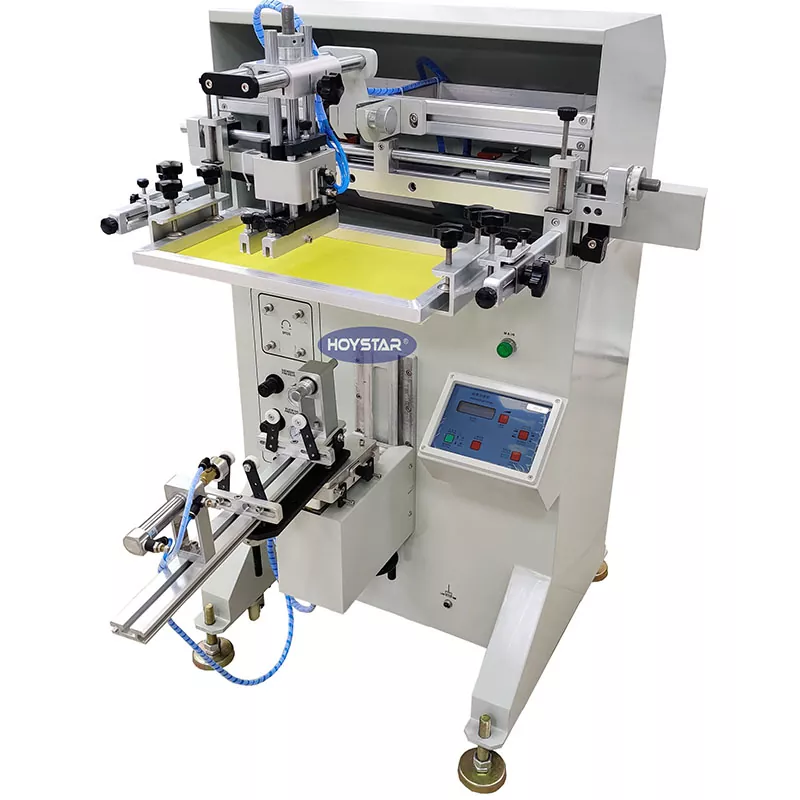
Mounting: The prepared screen, along with the stencil, is mounted onto the printing press. This ensures stability during the printing process and consistent print quality.


Printing: Ink is applied to the screen, and then a squeegee pushes the ink across the screen, forcing it through the openings in the stencil and onto the substrate below.


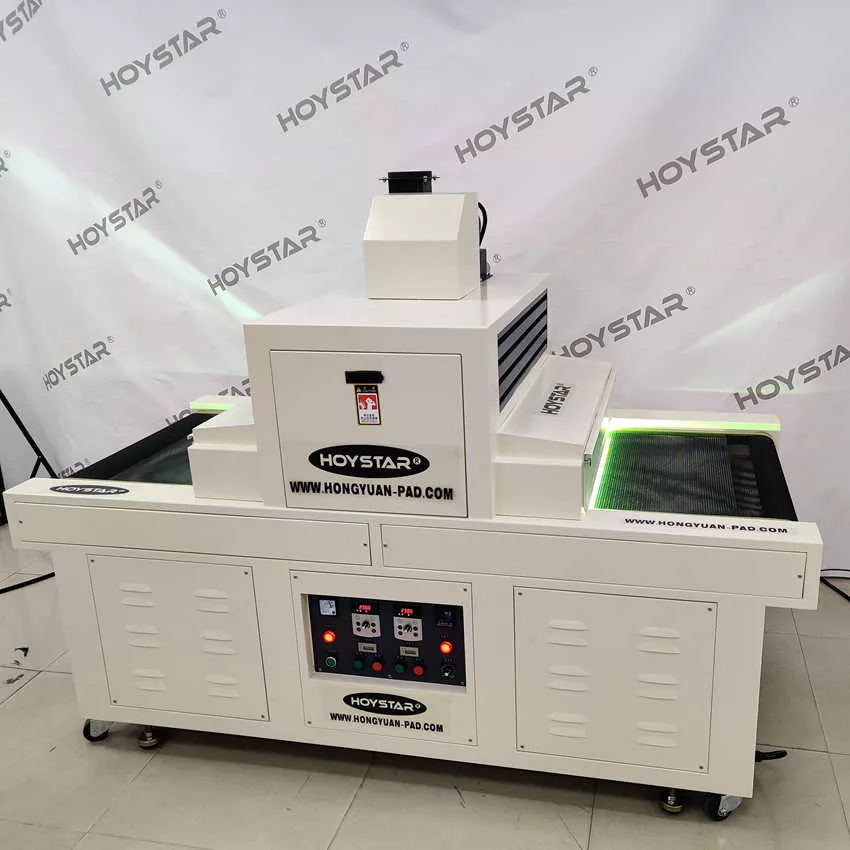
Curing: After printing, the ink needs to be cured to ensure its durability. This is usually achieved through heating, allowing the ink to bond firmly to the fabric or other substrate.


Post-processing: After curing, the printed material may require additional steps, such as cleaning or drying, to remove excess ink or prepare it for further processing.


2. Advantages of Screen Printing


Versatile Applications: Screen printing can be used on a variety of materials, including textiles, plastics, glass, and more. This makes it a versatile method for creating a wide range of products.


Durability: Screen printing is known for its durability and fade resistance. The ink penetrates the fabric or substrate, resulting in a longer-lasting printed pattern compared to other printing techniques.


Vibrant Colors: Screen printing produces vibrant, eye-catching colors with excellent opacity and saturation. This makes it ideal for designs requiring high color density and brightness.


Cost-Effectiveness: While screen printing requires some initial investment, it becomes more cost-effective in mass production. The significantly lower unit cost makes it ideal for large-volume orders.


3. Applications of Screen Printing


Apparel: Screen printing is widely used in the fashion industry for creating custom T-shirts, hoodies, sweatshirts, and other garments.


Advertising: Many promotional products, such as banners, posters, and signs, use screen printing technology.


Related News
Leave me a message
X
We use cookies to offer you a better browsing experience, analyze site traffic and personalize content. By using this site, you agree to our use of cookies. Privacy Policy
Reject Accept