Article Summary
Buyers looking for higher output, more stable print quality, and lower labor dependence often reach the same crossroads: should they continue with manual or semi-automatic workflows, or move to an Automatic Screen Printing Machine? In this article, I explain what makes this equipment valuable, what problems it solves, how to evaluate the right configuration, and what practical questions should be answered before purchasing. I also break down productivity, consistency, material compatibility, maintenance concerns, and return on investment in a way that helps real manufacturing teams make decisions with confidence.
Table of Contents
Outline
When I talk with production teams, the conversation usually begins with the same frustrations. Output is unstable across shifts. Color registration drifts when operators are tired. Scrap rates rise during busy periods. Delivery promises become harder to keep because production still depends too heavily on individual skill. Those are not small issues. They affect cost, customer trust, and the ability to scale.
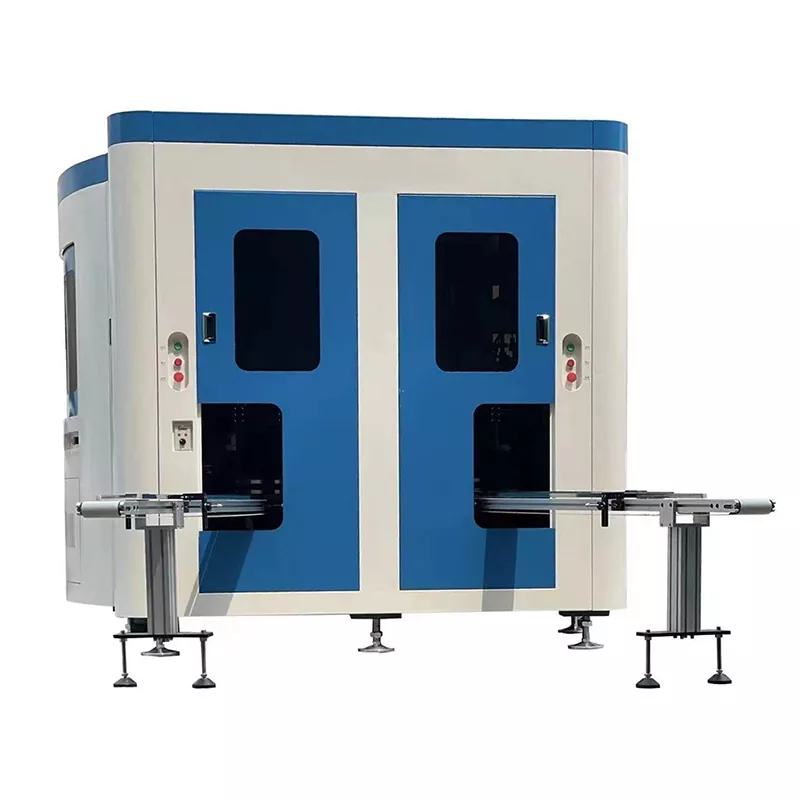
This is exactly where an Automatic Screen Printing Machine becomes relevant. It is not just a machine upgrade for the sake of looking modern. It is a response to a real operational bottleneck. As order volumes increase and quality standards tighten, manual intervention becomes more expensive than many businesses first expect.
In many factories, the hidden cost is not only labor. It is rework, setup inconsistency, downtime from preventable errors, and the constant pressure placed on experienced workers. Automation does not remove the need for skilled people, but it does reduce how much production depends on individual variability.
Common buyer pain points include
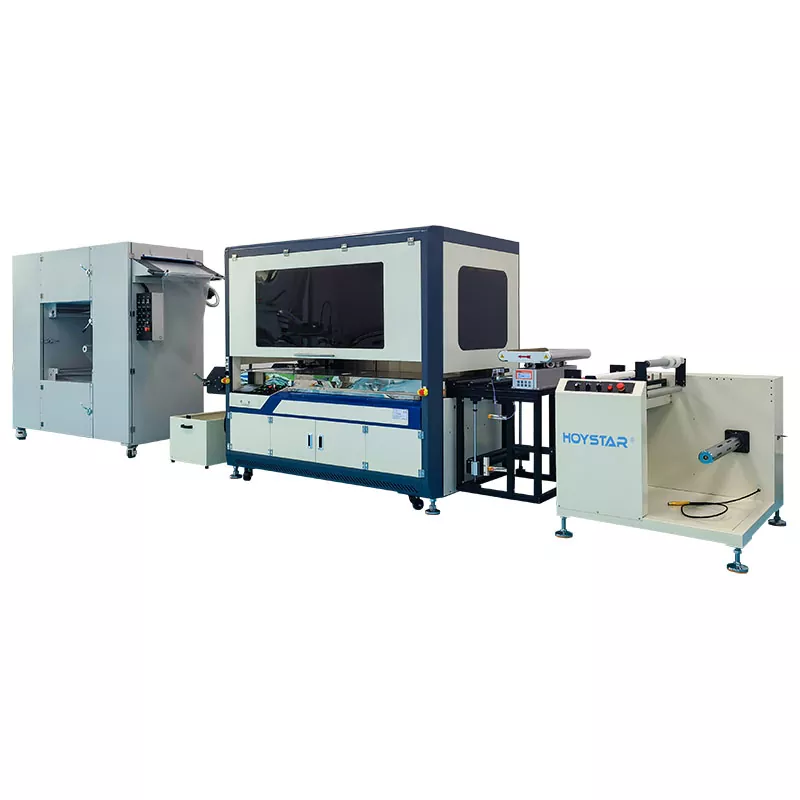
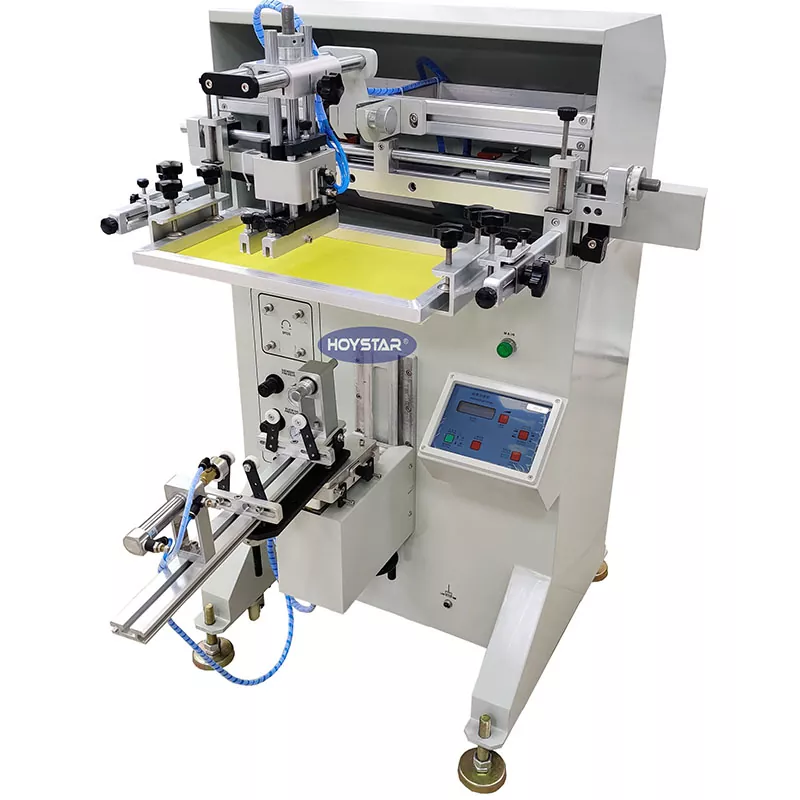
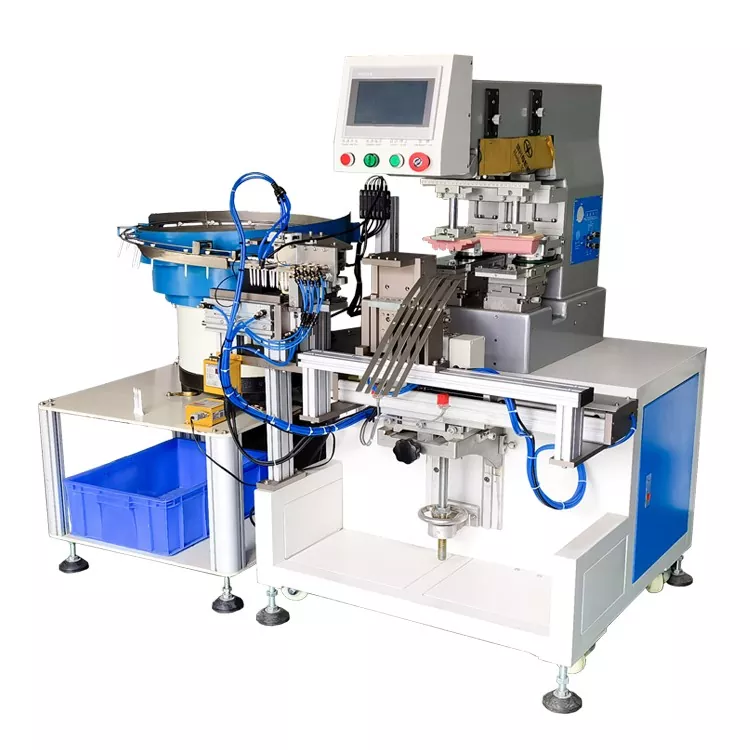
The biggest difference is control. A manual process often relies on the operator to align substrates, regulate movement, and repeat the same action with minimal deviation. An Automatic Screen Printing Machine is built to standardize those steps. Feeding, positioning, printing, and sometimes unloading or drying can all be coordinated in a more repeatable workflow.
That matters because repeatability is what turns printing from a craft-based activity into a scalable manufacturing process. When the machine uses programmable controls, more stable motion systems, and a structured production sequence, it becomes easier to maintain print quality over long runs.
For many buyers, the practical value is simple: fewer surprises. Better control means fewer off-center prints, less variation in ink transfer, and less time lost to correction. Instead of fighting the process every day, the factory begins to manage it.
| Factor | Manual or Basic Printing Workflow | Automatic Screen Printing Machine |
|---|---|---|
| Labor input | High dependence on operator handling | Reduced manual intervention during repeated production |
| Consistency | More likely to vary by shift or operator | Better process repeatability across long runs |
| Output speed | Limited by manual pace | More suitable for medium to high-volume production |
| Scrap control | Higher risk from alignment errors | Better positioning and more stable process control |
| Scalability | Difficult to expand without more labor | Easier to increase throughput with structured workflow |
The first reason is capacity. An Automatic Screen Printing Machine helps factories produce more within the same working hours. That alone can be enough to justify the move when orders are growing and delivery windows are shrinking.
The second reason is quality confidence. Many buyers are not just chasing speed. They are trying to protect reputation. If you serve customers who expect clean graphics, uniform coverage, and reliable registration, then process stability matters just as much as hourly output.
The third reason is labor structure. Hiring and retaining experienced printing operators is not always easy. When a factory uses automation wisely, the team can focus more on supervision, setup, inspection, and process optimization rather than repetitive handling.
This is why companies that start with one automated line often expand later. Once production sees the difference between unstable output and controlled output, it becomes much easier to understand the long-term value.
Not every Automatic Screen Printing Machine is suitable for every application. I always suggest that buyers begin with the substrate, print size, production target, and level of automation they actually need. Buying too small causes bottlenecks. Buying too complex can waste budget and complicate operation.
A smart evaluation should focus on function first, not just price. A lower initial quote can become expensive very quickly if the machine struggles with your material, needs frequent adjustment, or cannot support future production growth.
| Selection Point | Why It Matters | What Buyers Should Ask |
|---|---|---|
| Printing format | Determines whether the machine fits current product dimensions | What is the maximum printable area and actual usable range? |
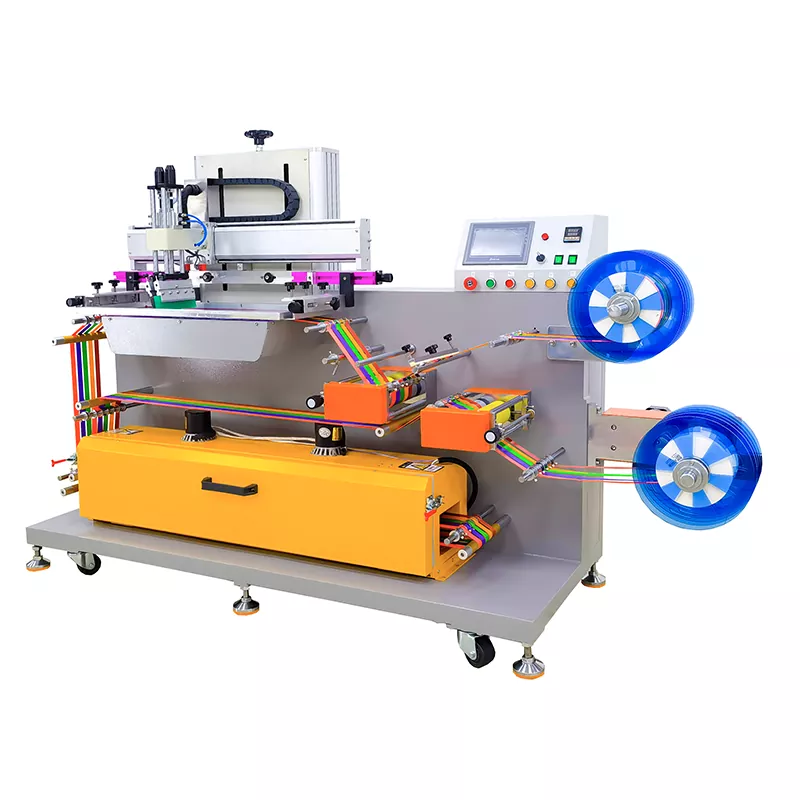
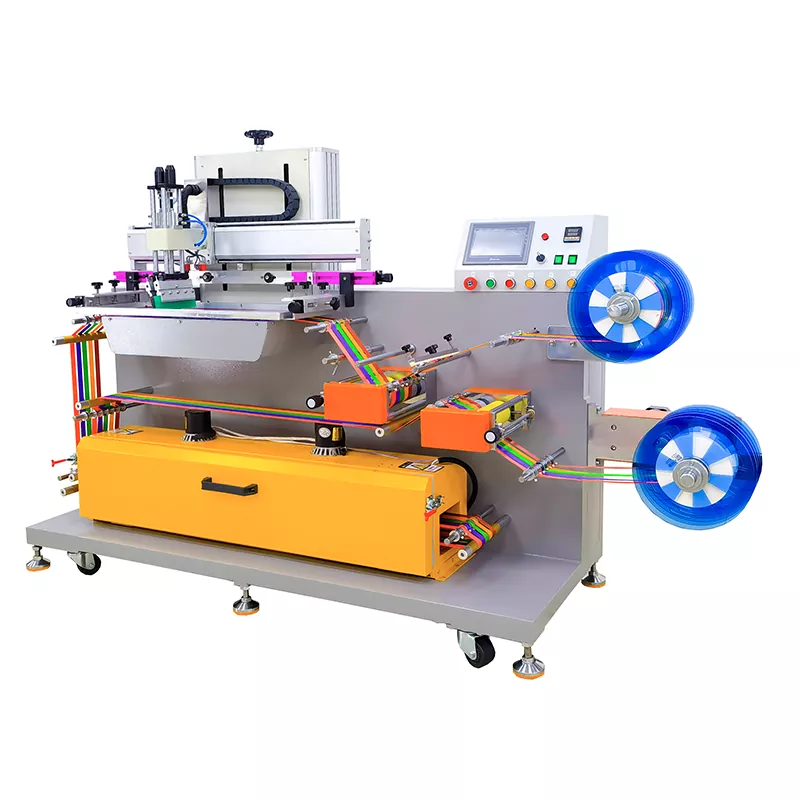
| Feeding method | Affects speed, alignment, and labor arrangement | Is it sheet-fed, roll-to-roll, or designed for special products? |
| Control system | Influences usability, repeatability, and adjustment efficiency | Does it use PLC or touchscreen controls for faster setup? |
| Material compatibility | Prevents mismatch between machine design and substrate type | Can it handle film, labels, plastics, paper, or technical materials? |
| Registration stability | Essential for quality-sensitive printing jobs | How is positioning controlled during continuous production? |
| Service support | Reduces risk after installation | What training, spare parts, and troubleshooting support are available? |
A reliable supplier should be willing to discuss your real application instead of pushing a generic recommendation. That matters a lot. The right machine is not just technically capable; it is suitable for your product, pace, and business plan.
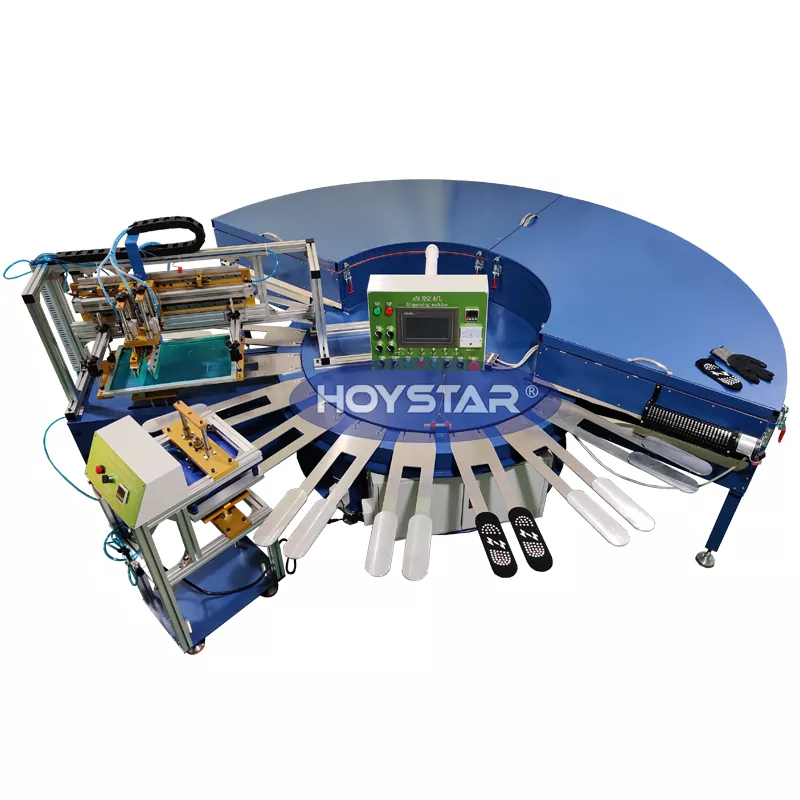
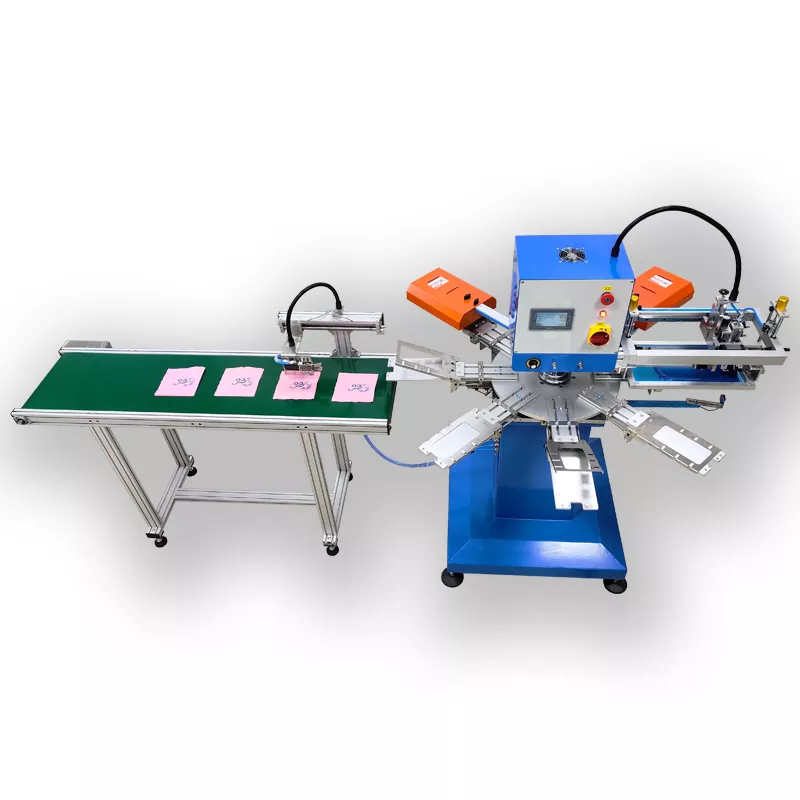
One reason automation is attractive is flexibility. Depending on machine design, an Automatic Screen Printing Machine can support a wide range of substrates and use cases. That is especially valuable for manufacturers who serve more than one product category or expect their application range to grow.
In practical terms, buyers often look at these machines for films, labels, transfer materials, plastics, paper-based products, decorative surfaces, and selected industrial marking tasks. The key is matching the feeding structure and print system to the specific substrate behavior.
Applications often considered suitable include
This is also where supplier experience matters. Dongguan Hoystar Machinery Co., Ltd. is a name buyers may encounter when researching automated screen printing solutions, especially if they are looking for equipment tailored to different printing scenarios rather than one-size-fits-all equipment. When a manufacturer understands both machine structure and production application, communication becomes much more efficient.
A lot of buyers make the same mistake: they compare only machine price. That is too narrow. The real question is how the machine changes your total production economics over time.
I prefer to think about return on investment through five lenses: labor, output, reject rate, delivery reliability, and customer retention. If a machine reduces waste, shortens turnaround time, and supports larger order volumes, then its value goes far beyond the purchase invoice.
If the answer is yes to most of those questions, then the machine is not just a cost center. It becomes a production asset that strengthens the entire business model.
I have seen buyers rush into equipment decisions because they are under pressure from deadlines or current production problems. That is understandable, but it can create expensive mismatches.
The first mistake is choosing a machine without clearly defining the product range. The second is underestimating setup needs and operator training. The third is focusing too much on headline speed without checking real-world stability.
A better buying process starts with honest production data. What do you print now? What do you want to print next year? Where do defects happen most often? How many people are tied up in repetitive handling? Those answers lead to better equipment choices.
What is the biggest advantage of an Automatic Screen Printing Machine?
The biggest advantage is stable, repeatable production. It helps reduce manual variation while improving throughput and overall print consistency.
Which businesses benefit most from this type of machine?
Manufacturers handling repeat orders, quality-sensitive graphics, films, labels, packaging materials, and industrial printing tasks often benefit the most.
Is an Automatic Screen Printing Machine only for very large factories?
No. It is valuable for any business that needs better efficiency, lower scrap, and more predictable production, even if the company is still growing.
How should I choose the right model?
Start with your substrate, product size, daily production target, required print quality, and preferred automation level. Then compare machine structure and supplier support.
Can automation really reduce production costs?
Yes, especially when it lowers labor intensity, reduces waste, improves output, and helps prevent expensive quality issues and delayed deliveries.
If your current workflow is slowing output, creating avoidable waste, or making quality harder to control, this is the right moment to look seriously at an Automatic Screen Printing Machine. Waiting too long often means paying for the same inefficiencies again and again through rework, delivery pressure, and lost production capacity.
The better path is to evaluate your application carefully and move toward a solution that matches your actual products and production goals. Dongguan Hoystar Machinery Co., Ltd. can support buyers who want a more efficient and dependable printing process, whether the need is for higher capacity, better consistency, or a more practical move toward automation.
Ready to improve print consistency, reduce labor pressure, and build a more scalable production line? Contact us today to discuss your application, material type, output goals, and ideal machine configuration. The right equipment choice can change far more than one production step—it can strengthen your entire business.
Phone: +86-769-85377425
Mobile: +86-15913838969
E-mail: admins@hongyuan-pad.com
Address:No.3, Zhenglong Road, Hengzeng Street, ChanganTown, Dongguan city, Guangdong Province, China
Copyright © 2025 Dongguan Hoystar Machinery Co., Ltd. All Rights Reserved.