Choosing the right Textile Screen Printing Machine is not only about printing fabric. It is about maintaining registration accuracy, reducing operator fatigue, improving drying consistency, handling different textile products, and keeping production profitable as order complexity increases. In this article, I walk through the real questions buyers ask before investing in equipment, explain what features actually matter on the production floor, and show how a practical machine setup can help textile printers deliver better quality with fewer interruptions. I also introduce the manufacturing perspective of Dongguan Hoystar Machinery Co., Ltd., a company known for developing textile printing solutions for products such as T-shirts, bags, labels, insoles, napkins, and other fabric-based items.
Anyone who has spent time in textile printing knows that output problems rarely come from one big mistake. More often, they come from a series of small inefficiencies that build up during production. Registration drifts after repeated cycles. Fabric shifts during loading. Colors fail to align cleanly. Drying becomes uneven. Operators slow down because the workflow depends too heavily on manual correction. By the time the order is complete, the shop has lost time, material, and confidence.
This is exactly why selecting a capable Textile Screen Printing Machine matters so much. A machine should not simply move ink from screen to fabric. It should help control variation. It should create repeatable output, even when the order involves multiple colors, frequent loading and unloading, or products with different shapes and thicknesses.
In many growing print shops, the tipping point comes when demand increases faster than the existing setup can handle. The team may be printing more T-shirts, bags, tags, shoe insoles, or promotional textile items, yet the equipment remains semi-manual or poorly matched to the job. That mismatch turns every new order into pressure.
| Common Production Problem | What It Causes | Why It Hurts the Business |
|---|---|---|
| Poor registration | Blurred graphics and color misalignment | Higher reject rate and rework cost |
| Unstable product positioning | Inconsistent print placement | Lower quality perception from buyers |
| Slow manual handling | Reduced hourly output | Longer lead times and labor pressure |
| Weak drying coordination | Smudging or incomplete curing | Customer complaints and delayed shipping |
| High operator dependency | Variable results between shifts | Difficult scaling and training challenges |
A good machine should bring order to the workflow. That means predictable movement, reliable registration, comfortable loading, repeatable stroke control, and enough structural stability to keep output consistent over long production runs. It should also match the products you actually print, not the products a brochure assumes you print.
When I evaluate a Textile Screen Printing Machine, I do not start with appearance. I start with the production questions. How many colors do we need? What hourly output is realistic? How often do we change products? Are we printing garment labels, T-shirts, fabric panels, bags, napkins, or specialty textile items? Does the machine reduce labor, or does it simply move the same burden to a different step?
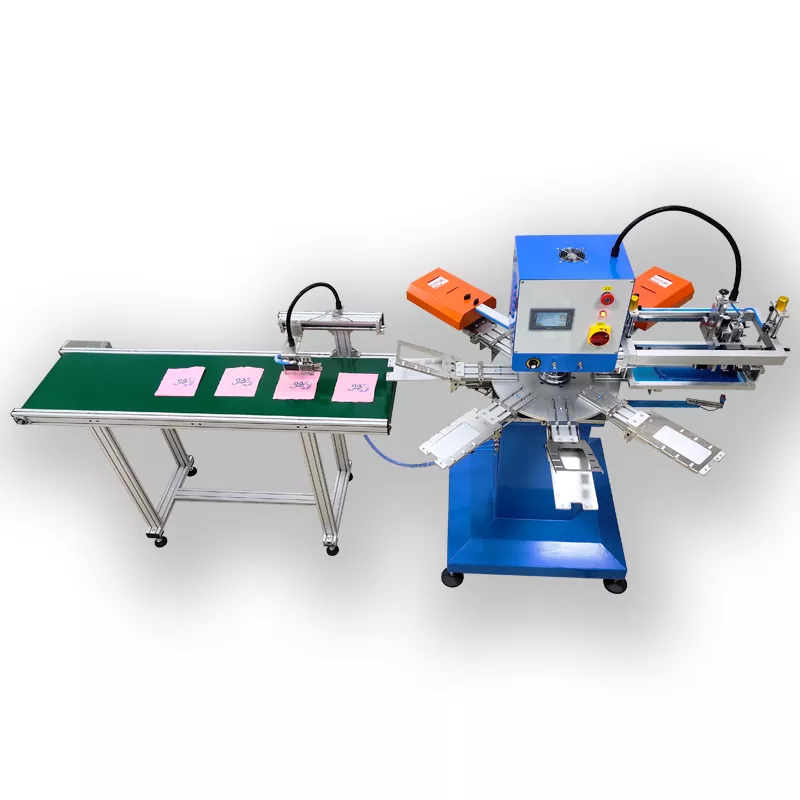
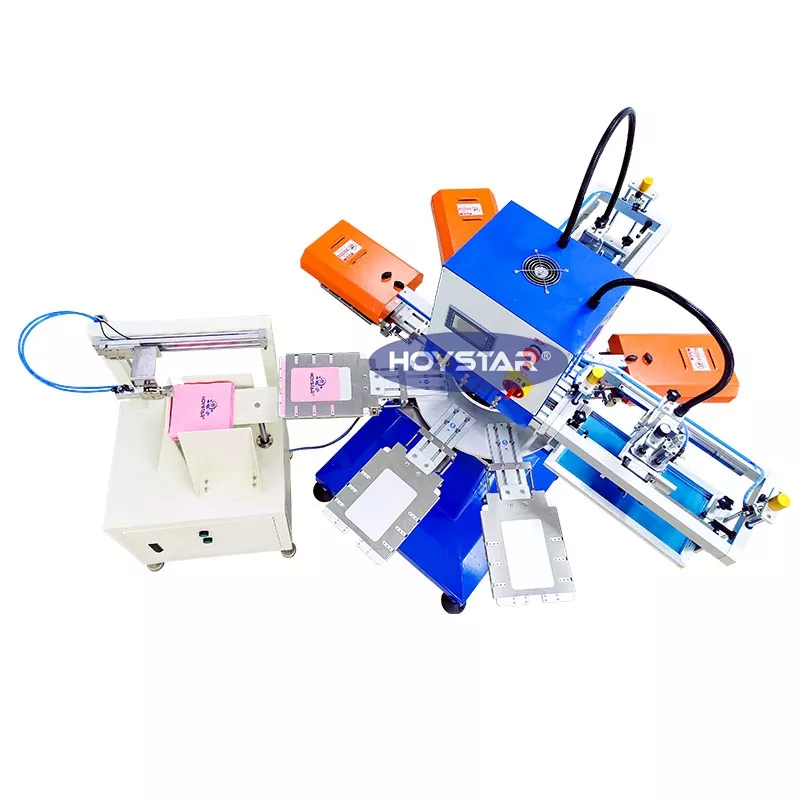
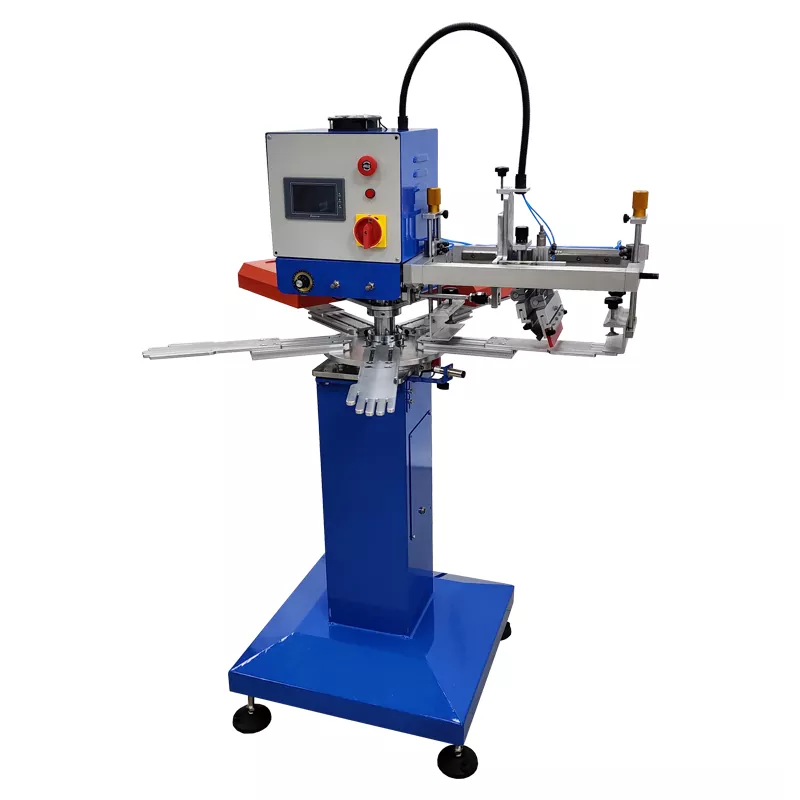
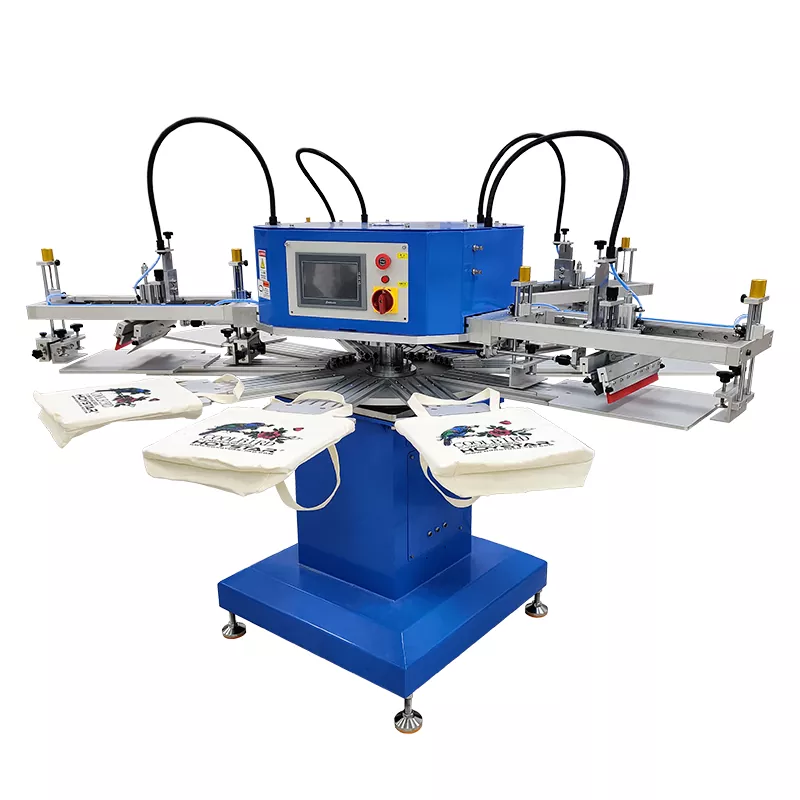
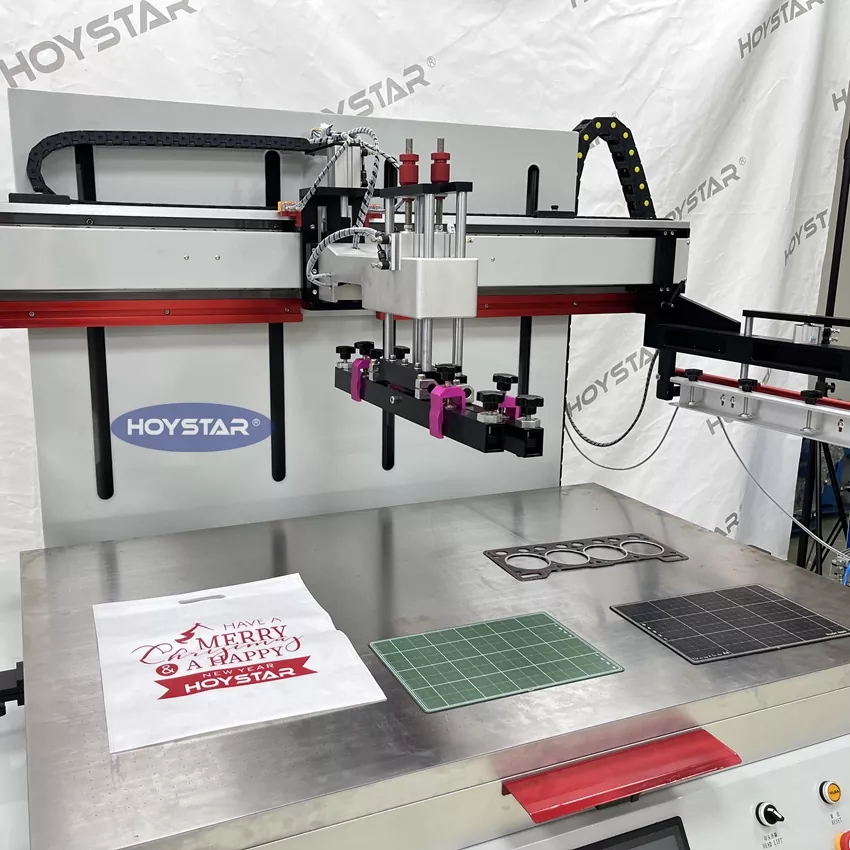
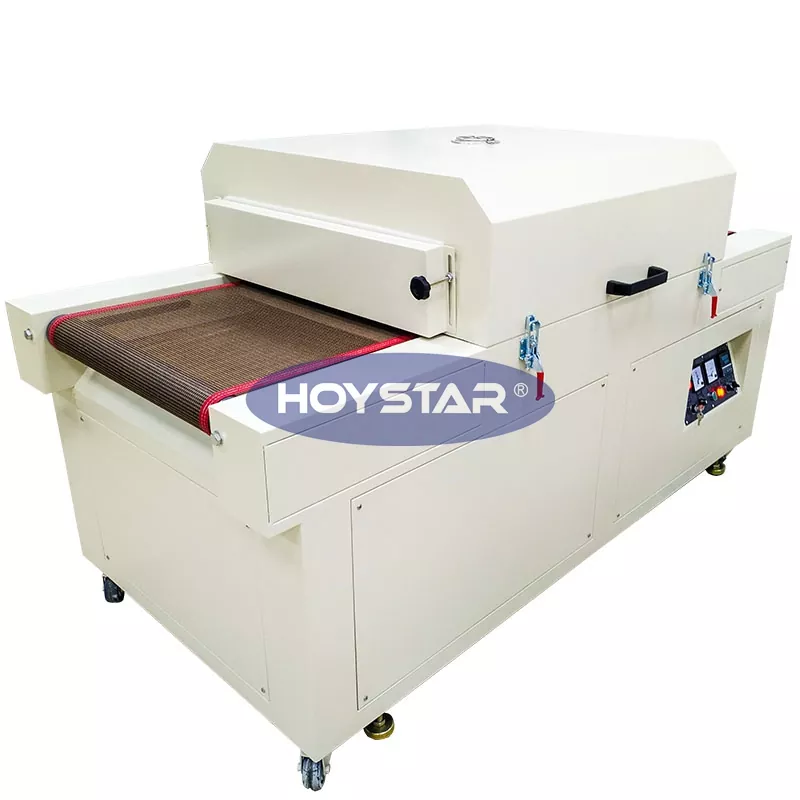
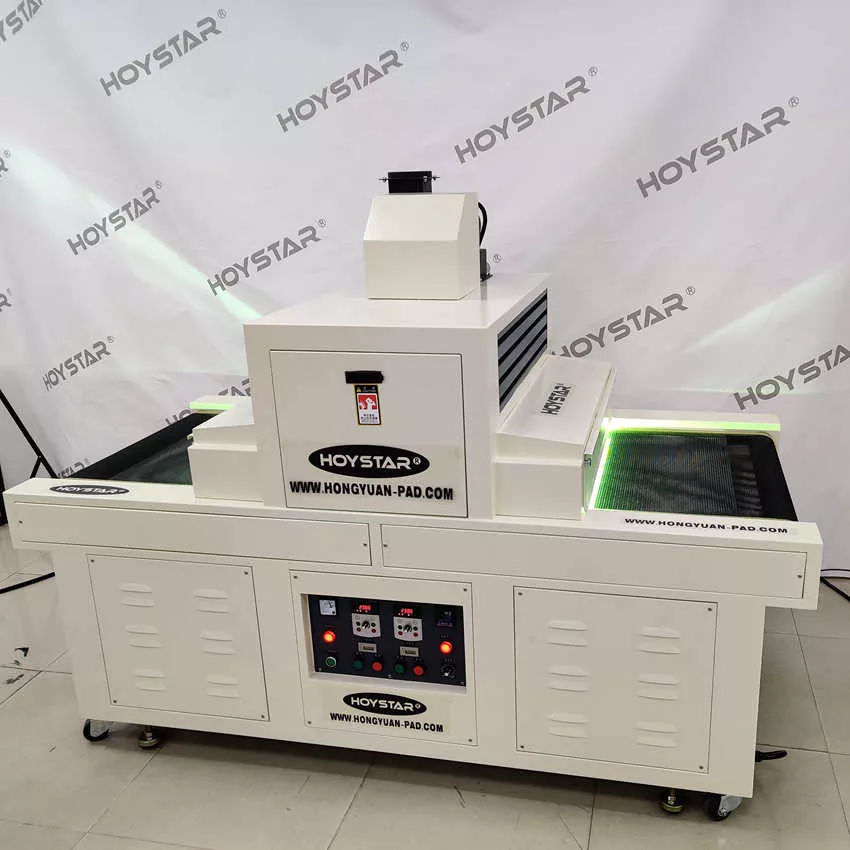
A serious machine should answer those questions with practical design. In textile applications, features such as rotary worktables, stable fixtures, controlled indexing, touch-screen operation, and integrated drying support can change the pace and consistency of the whole line. Some automatic models are especially valuable when frequent repetitive orders demand dependable throughput rather than constant operator intervention.
The right Textile Screen Printing Machine improves production in ways that operators notice immediately. Setup becomes clearer. Product positioning becomes more repeatable. Print strokes become more controlled. Output becomes easier to forecast. Managers stop guessing whether the line will finish on time because the equipment gives them a more stable rhythm to work with.
This matters even more when a factory wants to serve different customers without sacrificing consistency. A machine configured for multi-color textile printing can support everything from simple branding marks to more detailed image layouts. Meanwhile, automated or semi-automated systems can reduce the manual handling burden that usually causes slowdowns and uneven quality.
From a buyer’s perspective, the value is not just speed. The value is controlled speed. If a line runs faster but creates more waste, that is not progress. If a machine can support steady production while improving alignment, reducing labor intensity, and helping the team manage different textile items more confidently, then it creates real operational value.
| Machine Advantage | Operational Effect | Business Result |
|---|---|---|
| Better registration control | Cleaner multi-color output | Higher customer satisfaction |
| Stable fixture design | Less product movement | Lower scrap rate |
| Automatic or indexed workflow | Faster cycle times | Improved productivity |
| User-friendly interface | Simpler operation and adjustment | Shorter training curve |
| Integrated process flow | Printing and drying work together more smoothly | More reliable delivery performance |
Buyers often get distracted by broad claims, but the useful details are usually technical and specific. In textile printing, registration accuracy, machine stability, indexing quality, color configuration, and drying coordination deserve closer attention than generic promises. A well-designed machine should help the operator repeat the same result without constant correction.
For example, some higher-efficiency textile models are built with intelligent control systems, touch-screen interfaces, motor-driven operation, and precise registration performance suitable for demanding multi-color work. In practical terms, this makes a difference because the machine becomes easier to monitor and less likely to drift during longer runs.
Another important detail is product handling. Rotary worktables can simplify loading and unloading while keeping the print cycle moving. For shops printing garment labels, T-shirts, bags, napkins, koozies, or shoe insoles, that workflow advantage can save substantial time across a shift.
This is also where manufacturers such as Dongguan Hoystar Machinery Co., Ltd. become relevant. A supplier with experience across different textile applications is usually better positioned to recommend the right machine format rather than pushing one model for every job.
A smart purchase decision starts with comparing the machine to your actual workload, not to someone else’s. Some businesses need a compact setup for repeated single-color production. Others need a multi-color solution for T-shirt graphics or logo placement across different textile items. The wrong purchase often happens when the buyer over-focuses on price and underestimates workflow demands.
I prefer to compare equipment using five practical questions: What products are we printing most often? How many colors do we really need? What output per hour is necessary to protect margins? How many operators do we want involved? How easy will this machine be to maintain six months from now?
| Buying Factor | What to Ask | Why It Matters |
|---|---|---|
| Product compatibility | Can the machine handle your main textile items? | Avoids awkward fixtures and wasted setup time |
| Color requirement | Do you mostly run simple or multi-color jobs? | Prevents underbuying or overspending |
| Output target | What hourly volume do you actually need? | Supports delivery planning and margin control |
| Operation style | Do you need manual assistance or higher automation? | Directly affects labor demand |
| After-sales support | Will the supplier help with setup and service? | Reduces long-term operational risk |
The best Textile Screen Printing Machine is the one that matches your order structure, operator skill level, and growth plan. Buying a machine that looks impressive but does not fit your production reality is one of the most expensive mistakes a print business can make.
One reason textile screen printing remains so commercially valuable is its flexibility. A capable machine can support a wide range of products, and that flexibility helps a factory diversify revenue without rebuilding the entire process each time a new order arrives.
Depending on machine configuration, textile printers may use a Textile Screen Printing Machine for items such as:
This versatility matters because buyers rarely want equipment that serves only one narrow product category. They want equipment that can support today’s orders and tomorrow’s opportunities. If your production line often changes between garment branding, fabric accessories, and custom promotional work, you need equipment that supports change without becoming unstable or inefficient.
Even a good machine needs discipline around operation and maintenance. Downtime is not always dramatic. Sometimes it arrives through small avoidable problems: neglected cleaning, poor fixture storage, uneven tension checks, missed lubrication, weak calibration habits, or rushed operator training. Those issues slowly reduce print quality long before they trigger a full stoppage.
To keep a Textile Screen Printing Machine performing well, I recommend focusing on simple habits that preserve accuracy and workflow reliability.
Reliable production is rarely the result of one feature alone. It comes from good machine design, sensible operation, and a workflow that respects repeatability.
What kind of business should invest in a Textile Screen Printing Machine?
Any business that prints repeat textile orders at scale can benefit, especially factories and workshops producing garments, bags, labels, insoles, napkins, and other fabric-based products. The higher the need for consistency and throughput, the more valuable the right machine becomes.
What is more important, speed or accuracy?
Accuracy comes first. Speed only creates value when the printed result is stable and sellable. A machine that produces fast but inconsistent output will increase waste and damage delivery reliability.
Can one machine handle different textile products?
Yes, if the machine is designed with the right fixtures, worktable structure, and operational flexibility. Product range should always be discussed before purchase so the machine fits your real applications.
Is automatic printing always better than semi-automatic printing?
Not always. It depends on order size, product complexity, labor cost, and budget. For frequent repetitive jobs, automation often improves efficiency. For smaller-batch or changing orders, a semi-automatic solution may still be practical.
How should I evaluate a machine supplier?
Look at application experience, product range, communication quality, technical understanding, and service responsiveness. A supplier that understands textile production details is far more useful than one that only repeats sales language.
If your team is dealing with slow changeovers, uneven output, operator fatigue, or growing pressure from more complex orders, it may be time to rethink your equipment strategy. A well-matched Textile Screen Printing Machine can do more than increase speed. It can improve print quality, reduce avoidable waste, simplify training, and make the entire production line feel more controlled.
The strongest equipment decisions are grounded in real production needs, not sales slogans. That means evaluating print accuracy, product compatibility, workflow design, and long-term support with a clear head. For buyers looking for textile printing solutions backed by practical manufacturing experience, Dongguan Hoystar Machinery Co., Ltd. is a name worth considering.
If you are planning to upgrade your textile printing line, expand product capacity, or reduce the daily friction in your workshop, now is the right time to discuss the details with a professional supplier. Whether you need a machine for T-shirts, bags, labels, insoles, napkins, or other textile applications, contact us to explore a solution that fits your production goals and helps your business grow with greater consistency.
Phone: +86-769-85377425
Mobile: +86-15913838969
E-mail: admins@hongyuan-pad.com
Address:No.3, Zhenglong Road, Hengzeng Street, ChanganTown, Dongguan city, Guangdong Province, China
Copyright © 2025 Dongguan Hoystar Machinery Co., Ltd. All Rights Reserved.