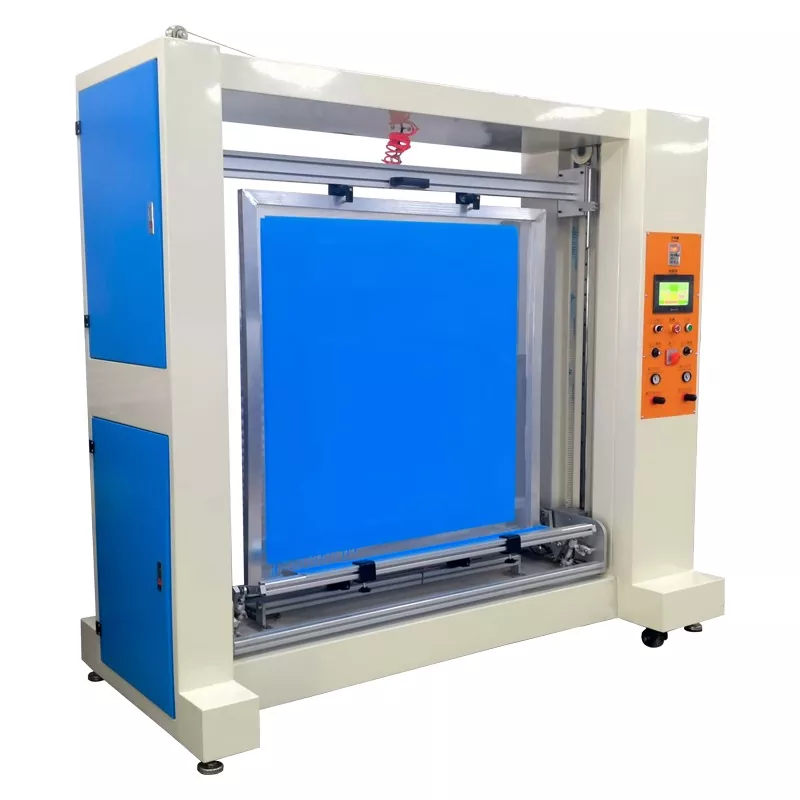
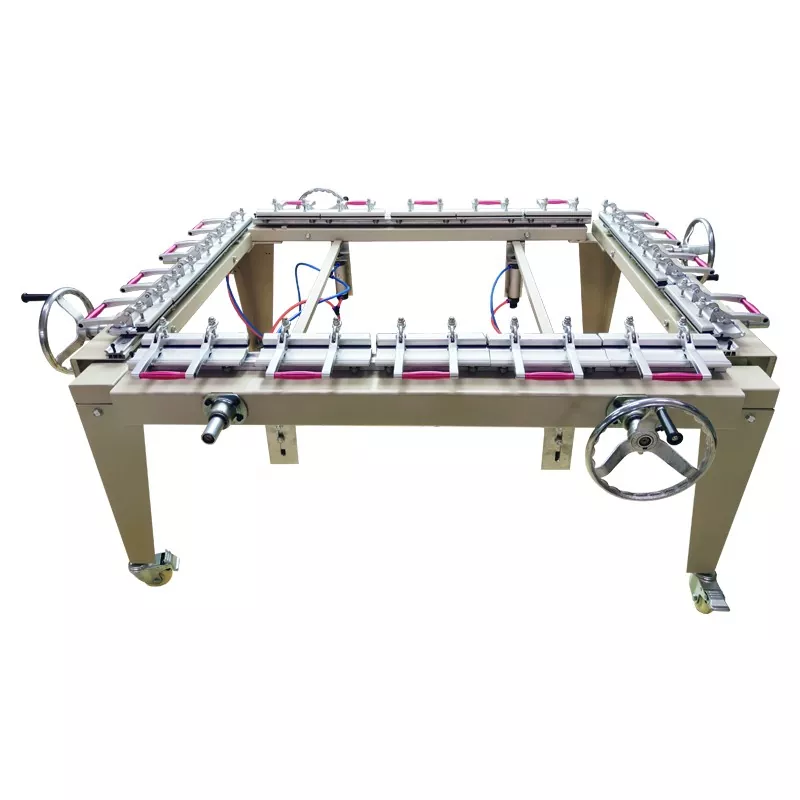
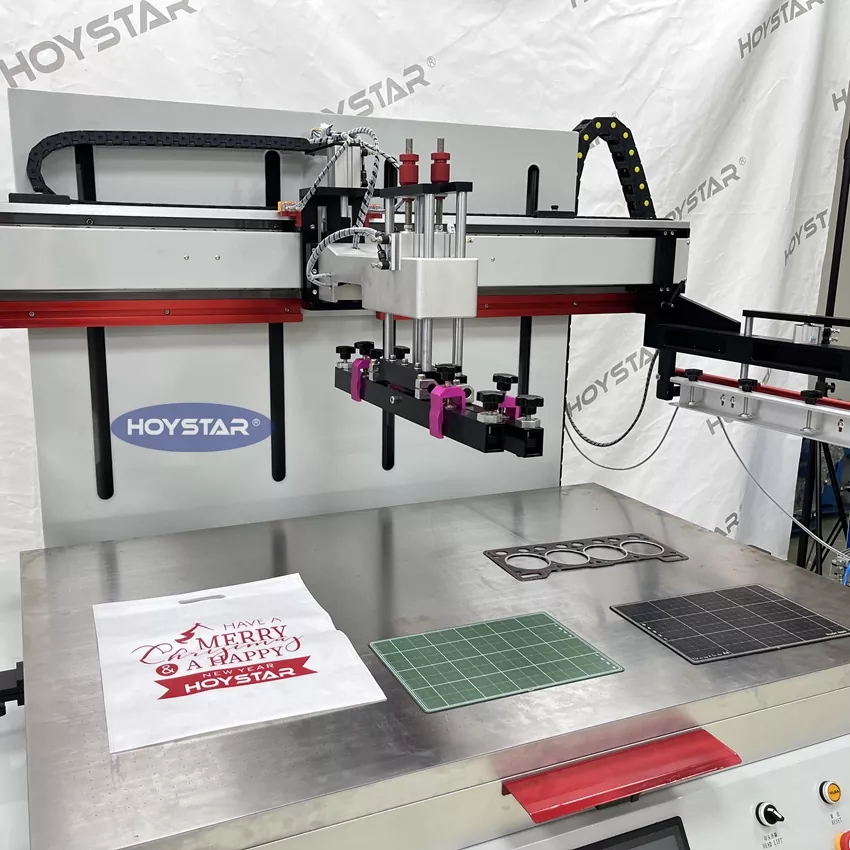
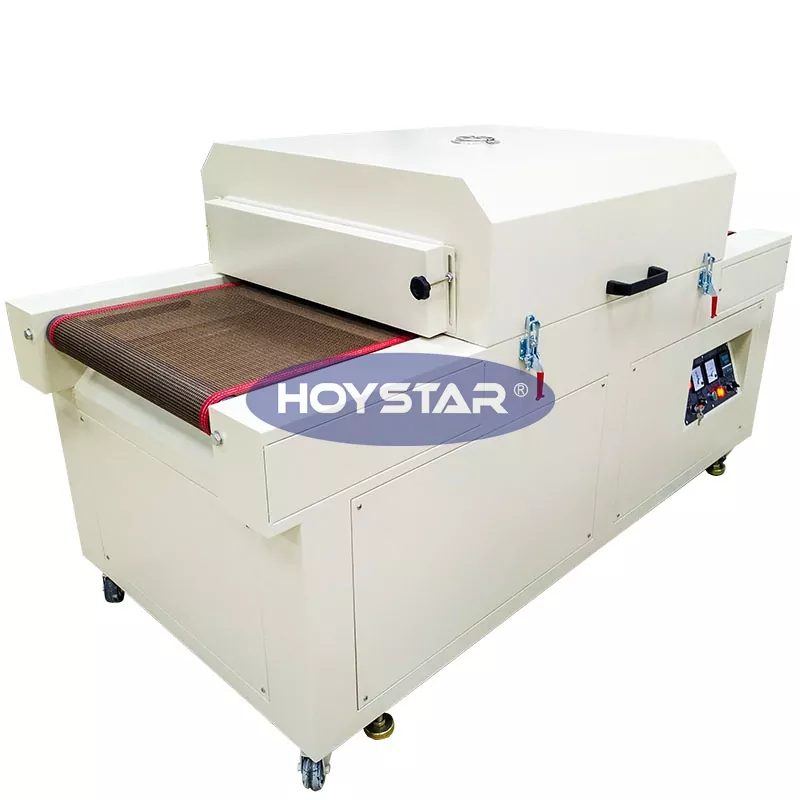
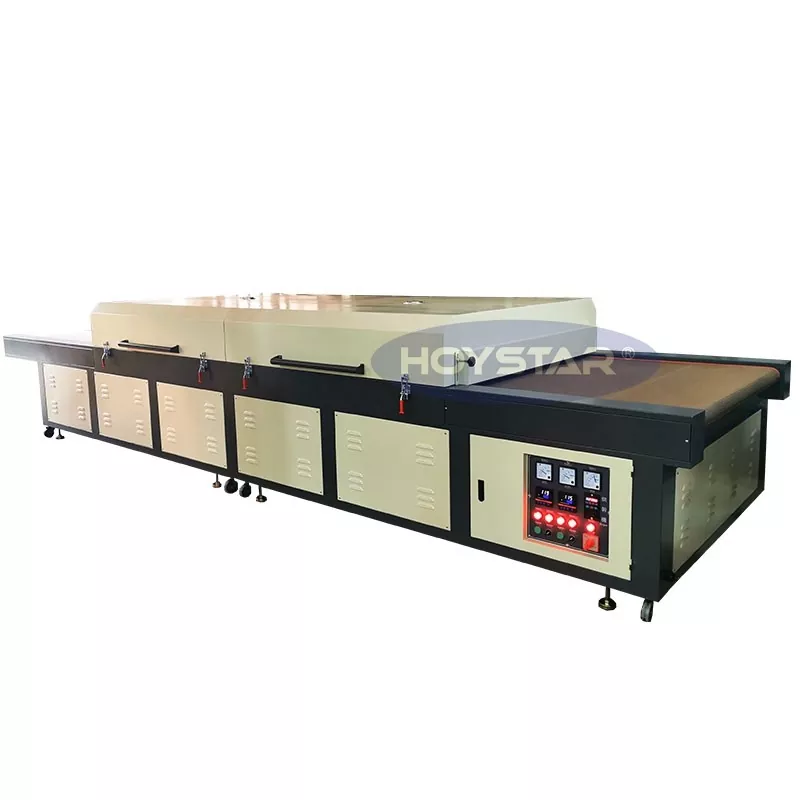
Choosing the right Screen Frame Making Equipment can solve some of the most frustrating problems in screen printing, from unstable mesh tension and uneven emulsion coating to poor image transfer, wasted materials, and slow delivery times. In this article, I break down what this equipment actually includes, why it matters to daily production, how to evaluate machine performance, and what buyers should look for when they want consistent print quality without turning maintenance and setup into a constant headache. I also explain how a complete in-house workflow can help reduce outsourcing delays and keep production more predictable.
When buyers first hear the phrase Screen Frame Making Equipment, many assume it refers to just one machine. In reality, it usually describes a group of machines and supporting materials used to prepare screen frames before printing begins. That process normally includes stretching mesh onto a frame, coating emulsion evenly, exposing artwork accurately, drying the screen properly, and preparing the frame for repeatable production.
This matters because screen printing quality is never decided only at the press. A print can fail long before ink touches the substrate if the frame is poorly prepared. Loose tension causes image distortion. Uneven coating creates weak stencil areas. Poor exposure leads to incomplete image transfer. Rushed drying reduces screen durability. That is why serious manufacturers treat frame making as a production control point, not just a preparation step.
Dongguan Hoystar Machinery Co., Ltd. is one of the suppliers serving this segment with equipment designed for frame stretching, coating, exposure, drying, and related support for screen printing production. For buyers that want tighter process control, that kind of integrated approach is often more practical than purchasing isolated machines without considering how each stage connects to the next.
If your screen frames are inconsistent, your final prints will be inconsistent. Better presses cannot fully compensate for weak frame preparation.
Most buyers do not invest in Screen Frame Making Equipment because they want more machines on the floor. They invest because existing workflows are wasting time, causing rework, or limiting delivery speed. In my experience, the most common customer pain points usually look like this:
These issues are especially painful for companies handling repeat orders, custom graphics, short lead times, or large volumes. A well-matched equipment setup reduces variation across jobs and helps build a workflow that is easier to train, monitor, and expand.
Buyers sometimes focus heavily on print speed, but print speed without screen stability creates expensive problems. Good frame making directly affects registration accuracy, edge sharpness, ink deposit consistency, stencil life, and repeatability between batches. That is why Screen Frame Making Equipment has such a direct impact on customer satisfaction.
Let me put it simply. If mesh tension is uneven, the screen behaves differently under pressure. If the emulsion layer is inconsistent, some areas expose or wash out differently. If drying is incomplete, the stencil becomes vulnerable during printing and cleaning. If exposure is weak or unstable, fine details can break down before the order is even complete.
Buyers producing graphics, labels, industrial markings, packaging prints, textile applications, promotional items, or precision image work all benefit from tighter control at the frame preparation stage. The cleaner the screen preparation, the easier it becomes to maintain stable output across the rest of production.
| Production Factor | What Can Go Wrong Without Proper Equipment | What Better Control Improves |
|---|---|---|
| Mesh tension | Image distortion, unstable registration, uneven ink transfer | Sharper prints, more consistent pressure response, repeatable results |
| Emulsion coating | Pinholes, weak stencil, variable image thickness | Smoother stencil surface and cleaner image formation |
| Exposure accuracy | Loss of detail, poor edge definition, incomplete image transfer | More precise artwork reproduction and stronger stencil performance |
| Drying stability | Stencil damage, adhesion issues, shorter screen life | Longer usability and better durability during production runs |
| Workflow coordination | Delays, rework, operator confusion | Faster turnaround and easier process management |
A practical Screen Frame Making Equipment solution is usually built around several linked machines rather than a single standalone device. Depending on production scale, buyers may start with basic units or build a more complete system.
The right combination depends on your order volume, image detail requirements, operator experience, and production rhythm. A small workshop may prioritize flexibility and ease of use. A larger manufacturer may care more about throughput, consistency, and reduced labor dependence.
Buying Screen Frame Making Equipment is not just about selecting the lowest price. A cheaper setup becomes expensive very quickly if it causes remakes, unstable output, frequent service interruptions, or slow changeovers. Buyers should compare equipment from a workflow perspective.
I usually recommend evaluating suppliers around these questions:
| Buying Priority | What Buyers Should Check | Why It Matters |
|---|---|---|
| Machine compatibility | Frame size range, mesh options, production application | Prevents mismatched equipment that limits future orders |
| Ease of operation | Controls, adjustment logic, cleaning convenience | Reduces training difficulty and daily errors |
| Production consistency | Tension stability, coating uniformity, exposure reliability | Directly affects final print performance |
| Safety and reliability | Protective structure, stable electrical design, temperature control | Protects operators and lowers downtime risk |
| Service support | Warranty, spare parts, technical assistance | Improves long-term ownership value |
| Shipping readiness | Packing method, export experience, damage prevention | Reduces delivery risk for international buyers |
A reliable supplier should also understand the production logic behind the machine, not just the machine itself. That difference matters. Buyers do not simply need metal and motors. They need a solution that makes day-to-day work easier and more predictable.
One of the biggest advantages of investing in Screen Frame Making Equipment is that it gives manufacturers more control over delivery and quality. When screen preparation is outsourced, every urgent job becomes vulnerable to someone else’s schedule. That slows approvals, raises communication costs, and makes revisions more frustrating than they should be.
With an internal setup, companies can:
This does not mean every buyer needs the same equipment scale. It means the decision should be based on workflow pressure, order variability, and how much control your team really needs. For many growing print businesses, internal frame preparation stops being optional once lead times become a competitive issue.
Even strong equipment will not deliver stable results without proper daily use. The good news is that the maintenance logic for Screen Frame Making Equipment is usually straightforward if the team follows a disciplined routine.
Buyers often underestimate how much process discipline improves output. A controlled machine plus a controlled routine is what creates reliable production. When both are present, quality becomes easier to reproduce across operators, shifts, and order types.
Is Screen Frame Making Equipment only suitable for large factories?
No. Small and medium-sized businesses can benefit as well, especially if they handle custom jobs, short delivery times, or repeated outsourcing costs. The key is choosing the right scale and configuration.
Does buying more machines automatically improve screen quality?
Not automatically. The real improvement comes from selecting machines that work well together and fit your production requirements. A balanced setup is more valuable than an oversized one.
What should I prioritize first if my budget is limited?
Start with the stages that cause the most problems in your current workflow. For many users, stretching accuracy, coating consistency, and exposure reliability bring the biggest improvement first.
Can this type of equipment help reduce material waste?
Yes. Better coating, exposure, and process stability can reduce remakes, rejected screens, and unnecessary consumable use.
How important is after-sales support?
Very important. Buyers should not look only at the machine price. Spare parts, troubleshooting guidance, and technical support directly affect long-term production stability.
If you are dealing with unstable screen quality, long outsourcing lead times, or repeated production delays, it may be time to rethink how your frames are prepared. The right Screen Frame Making Equipment can help you build a cleaner workflow, improve consistency, and respond faster to customer demands without sacrificing quality.
Dongguan Hoystar Machinery Co., Ltd. understands that buyers are not just comparing machine specifications. They are trying to solve real production problems. That is why choosing a solution with practical support, compatible equipment options, and export-ready service can make a meaningful difference from the start.
Ready to improve your screen preparation workflow and make production more efficient, stable, and cost-effective? Contact us today to discuss your application, frame size requirements, production goals, and preferred configuration. The sooner you share your needs, the sooner you can move toward more reliable output and faster turnaround.
Contact Us and Start Your ProjectPhone: +86-769-85377425
Mobile: +86-15913838969
E-mail: admins@hongyuan-pad.com
Address:No.3, Zhenglong Road, Hengzeng Street, ChanganTown, Dongguan city, Guangdong Province, China
Copyright © 2025 Dongguan Hoystar Machinery Co., Ltd. All Rights Reserved.