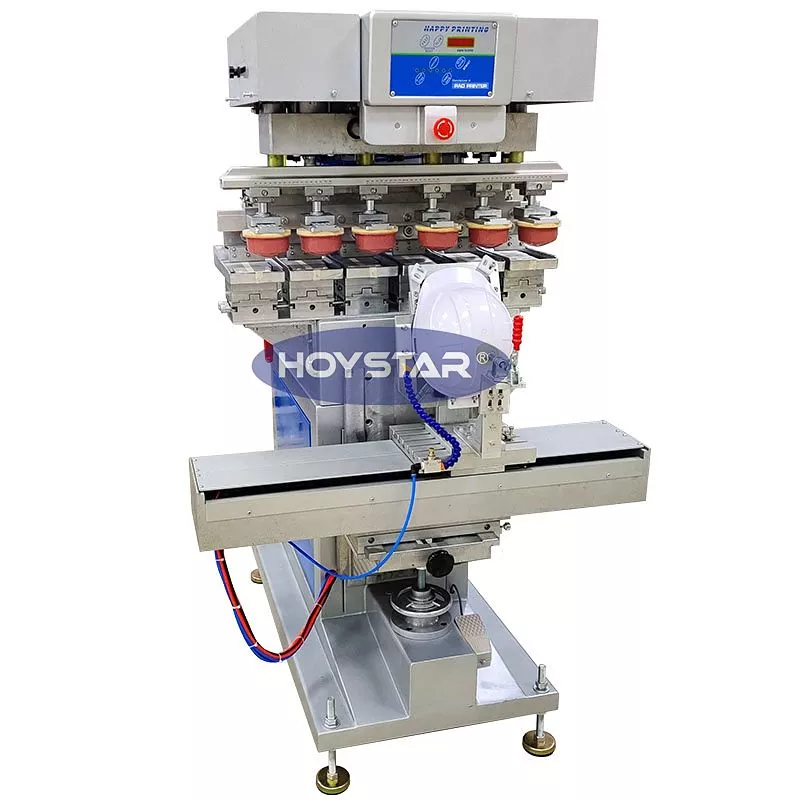
Choosing the right Screen Printing Machine is rarely just about print quality. For most buyers, the real pressure comes from missed deadlines, inconsistent registration, difficult materials, labor costs, changeover time, and the fear of investing in a machine that does not truly fit the production line. This article breaks down the practical issues manufacturers, decorators, and product printers face every day and explains how the right equipment setup can solve them.
You will find a clear overview of machine types, a jump-link table of contents, a working outline, a comparison table, buyer-focused checklists, and a detailed FAQ section. The goal is simple: help readers understand what to look for, what to avoid, and how a dependable supplier such as Dongguan Hoystar Machinery Co., Ltd. can support stable output across textiles, plastics, glass, promotional items, and other applications.
Most companies do not start searching for a Screen Printing Machine because they suddenly want new equipment for the sake of it. They start looking because something is already going wrong. Output is too slow. Print quality changes from batch to batch. Skilled workers are spending too much time on manual adjustments. Ink coverage is uneven. Curved products are difficult to hold in position. Textile jobs require one workflow, while plastic parts demand another. The production line becomes a patchwork of compromises.
These pain points usually show up in a few predictable ways. First, there is the cost issue. Every rejected part, every reprint, and every extra labor hour quietly eats away at margin. Second, there is the delivery issue. Customers do not care that a machine needed re-alignment or that an operator had to slow down the cycle. They care about whether the order ships on time. Third, there is the growth issue. A workshop that relies on overly manual methods often reaches a ceiling long before demand does.
This is why the conversation around a Screen Printing Machine should begin with production reality, not just brochure language. Buyers need to know whether the machine can handle their actual substrate, their order volume, their operator skill level, and their future expansion plans. A machine that looks impressive but does not suit the job will quickly become an expensive bottleneck.
A suitable Screen Printing Machine brings structure to production. Instead of relying on operator intuition for every run, the process becomes more repeatable. Registration can be controlled more accurately. Squeegee pressure and print speed can be adjusted with greater precision. Product positioning becomes more reliable. When those fundamentals stabilize, the whole line starts to breathe easier.
The impact is not limited to image quality. Better equipment can reduce setup waste, shorten lead times, and help new operators reach acceptable output faster. It also improves job planning. When a factory knows what a machine can consistently deliver, quoting becomes more confident and delivery scheduling becomes less risky.
In many cases, the right Screen Printing Machine is not simply the fastest one. It is the one that matches the product and process most intelligently. A company printing promotional cups needs a very different solution from one printing textile graphics or ruler markings. This is exactly why machine selection must be tied to application, not just maximum speed claims.
No single Screen Printing Machine covers every situation equally well. Buyers should think in terms of application categories. Flat products, textile items, cylindrical containers, and specialty shapes all create different technical demands.
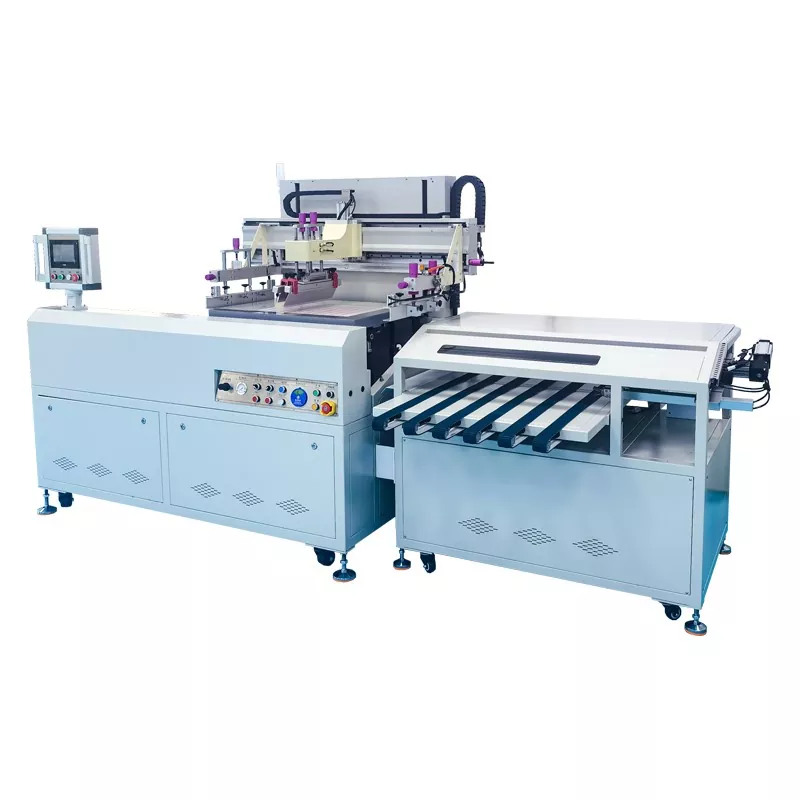
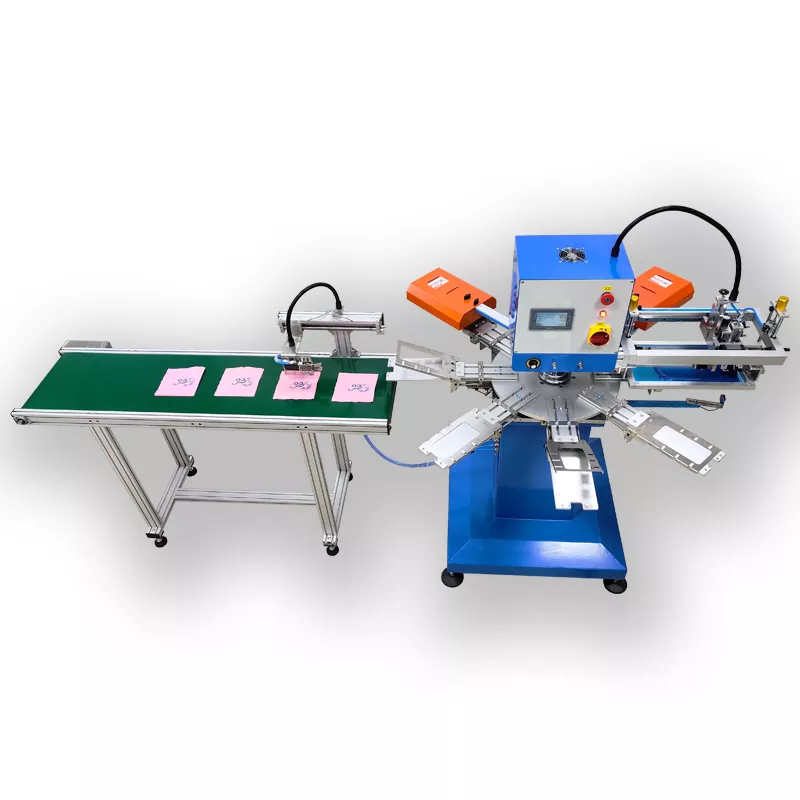
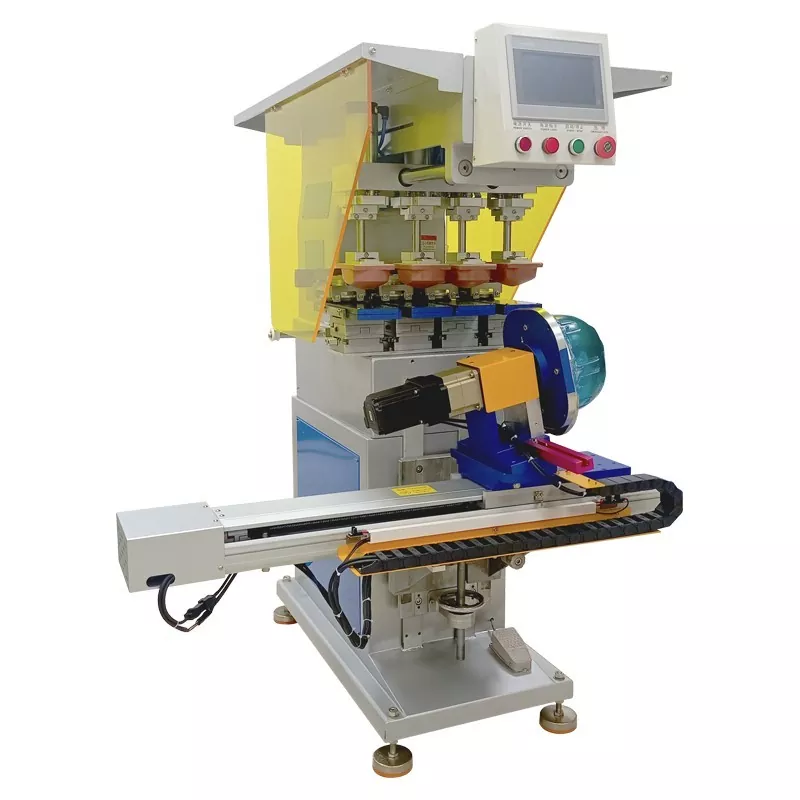
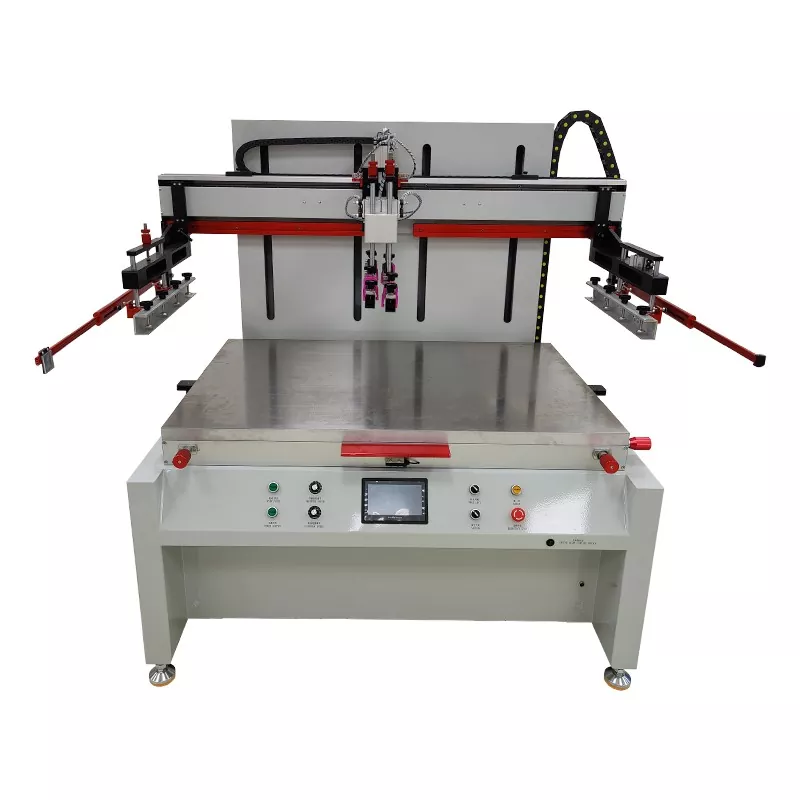
Flatbed machines are often preferred for sheet materials, panels, labels, paper products, and certain rigid substrates where stable alignment and table control matter. Textile-focused equipment is built around fabric handling, repeat production, and compatibility with garment or soft-material workflows. Curved surface machines are designed for bottles, cups, tubes, and other round or tapered products where rotation and fixture stability matter more than a simple flat table. Automatic systems are often chosen when labor savings and throughput become top priorities.
This application-driven mindset is one reason many buyers turn to companies such as Dongguan Hoystar Machinery Co., Ltd., which provides several machine categories rather than pushing one format into every use case. That matters because printing success depends on the fit between product geometry, ink system, output target, and machine design.
| Machine Type | Best For | Main Advantage | Typical Concern to Review |
|---|---|---|---|
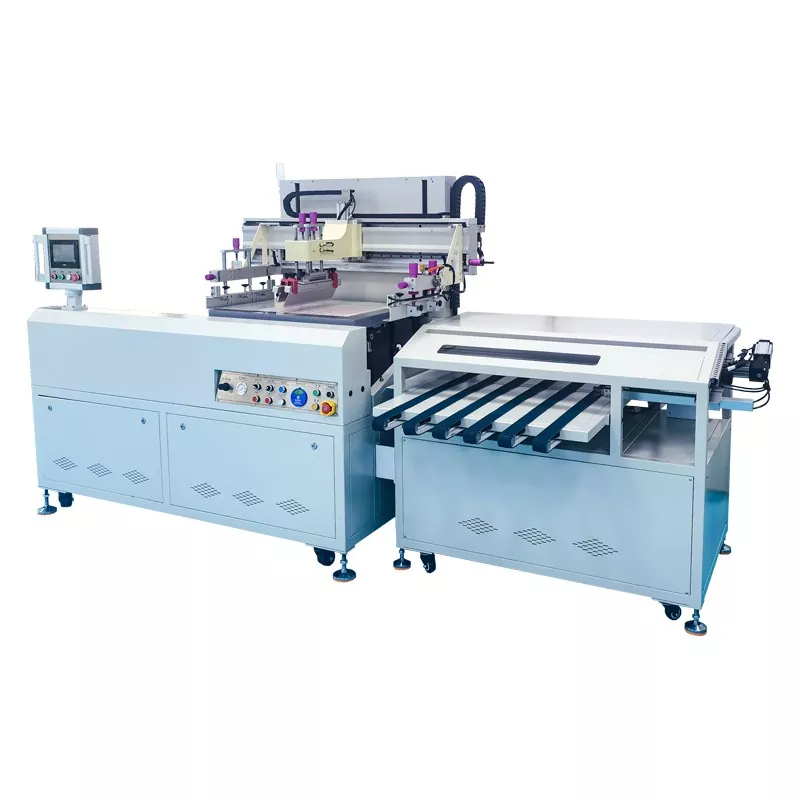
| Automatic Screen Printing Machine | High-volume production with repetitive tasks | Reduces labor and improves cycle consistency | Whether automation level matches real order volume |
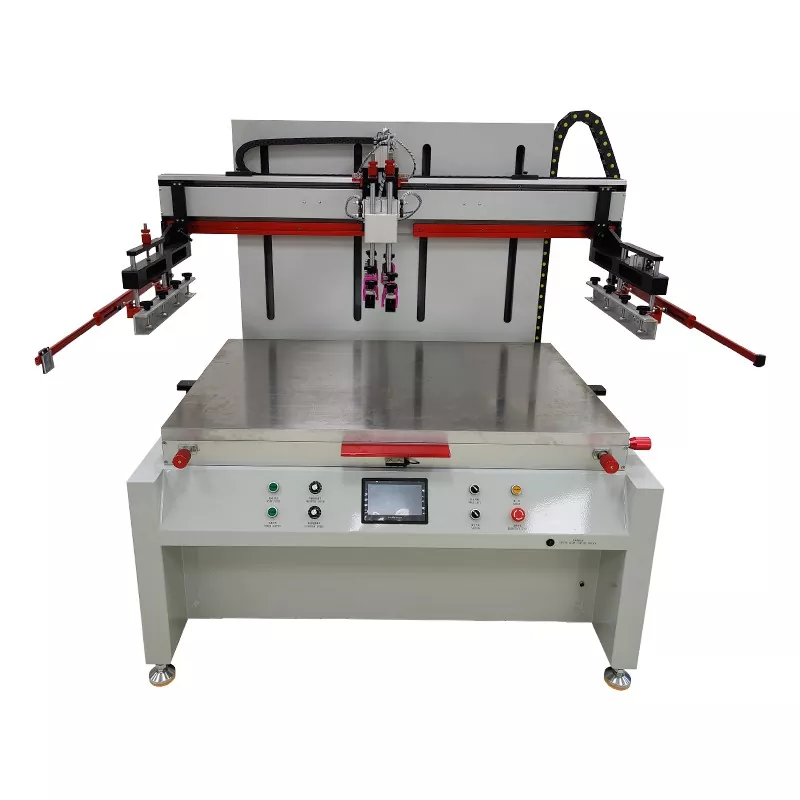
| Flatbed Screen Printing Machine | Panels, sheets, labels, rigid flat items | Stable positioning and reliable print control | Table size, vacuum support, and registration stability |
| Textile Screen Printing Machine | T-shirts, fabrics, bags, garments | Adapted to textile production needs | Ink compatibility and workflow integration |
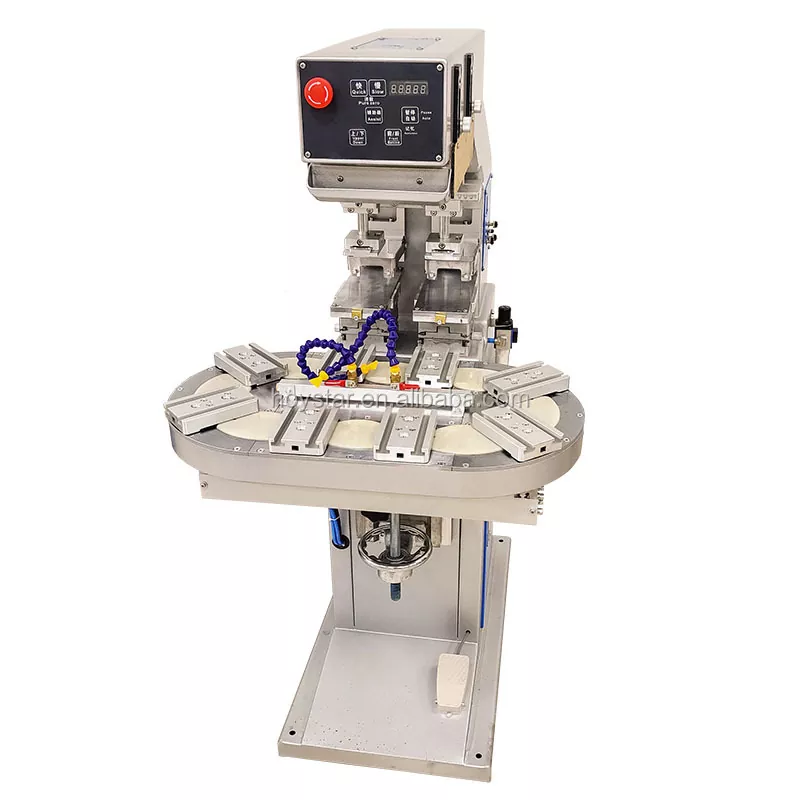
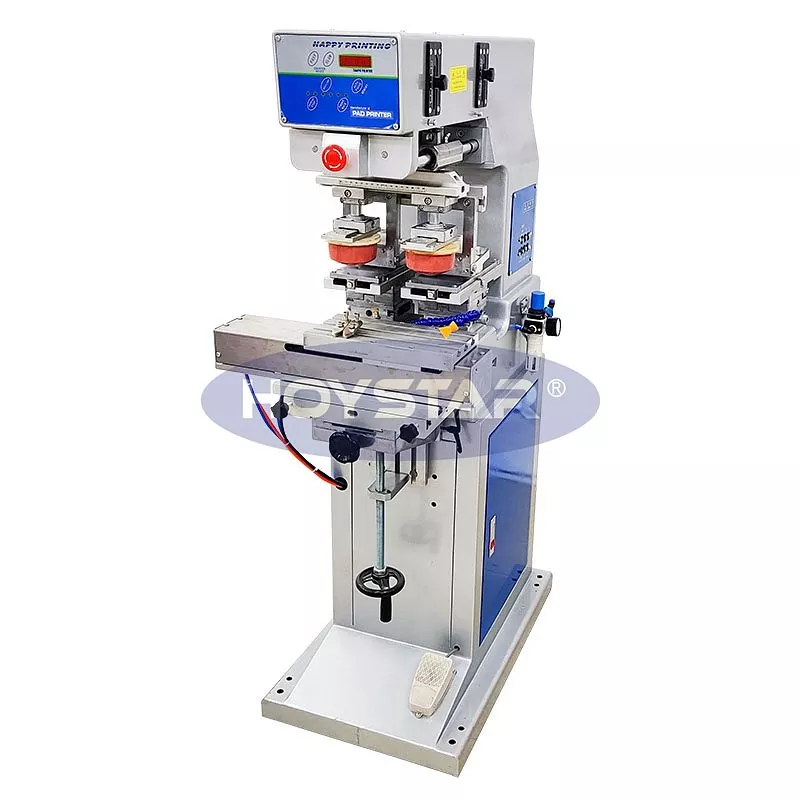
| Curved Surface Screen Printing Machine | Bottles, cups, tubes, cylindrical containers | Handles round and shaped products efficiently | Fixture flexibility for multiple product sizes |
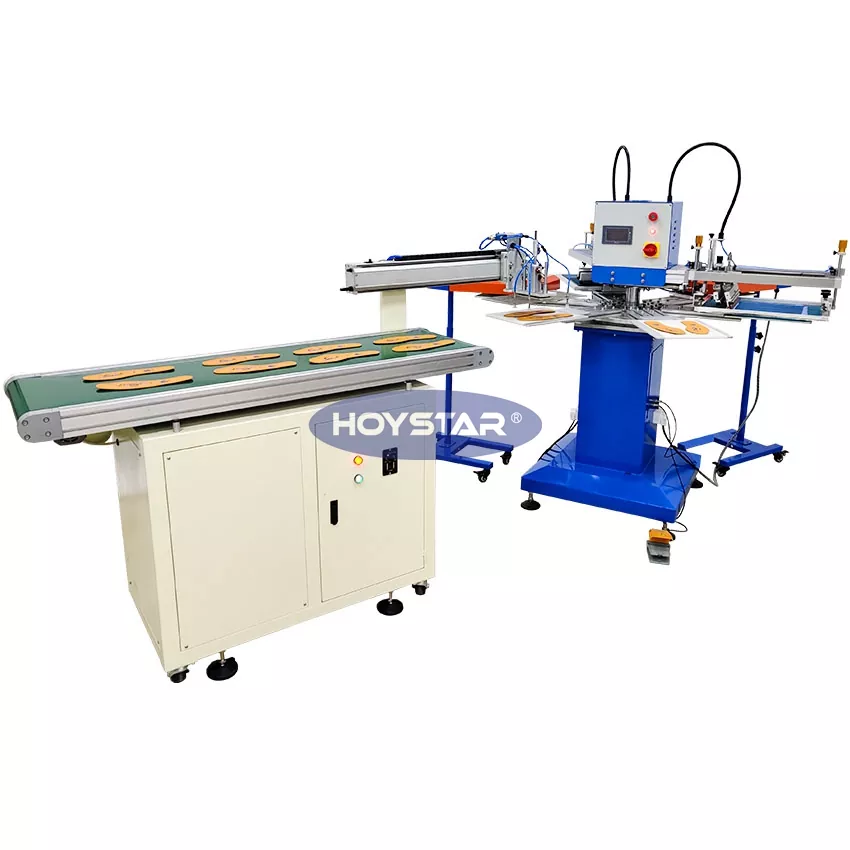
| Special Purpose Screen Printing Machine | Rulers, gloves, socks, balloons, niche products | Application-specific productivity | How specialized the setup is for future product changes |
It is easy to focus on headline claims, but a smart buyer looks deeper. A Screen Printing Machine has to perform under daily factory conditions, not just during a polished demonstration. That means paying attention to the details that affect production stability over time.
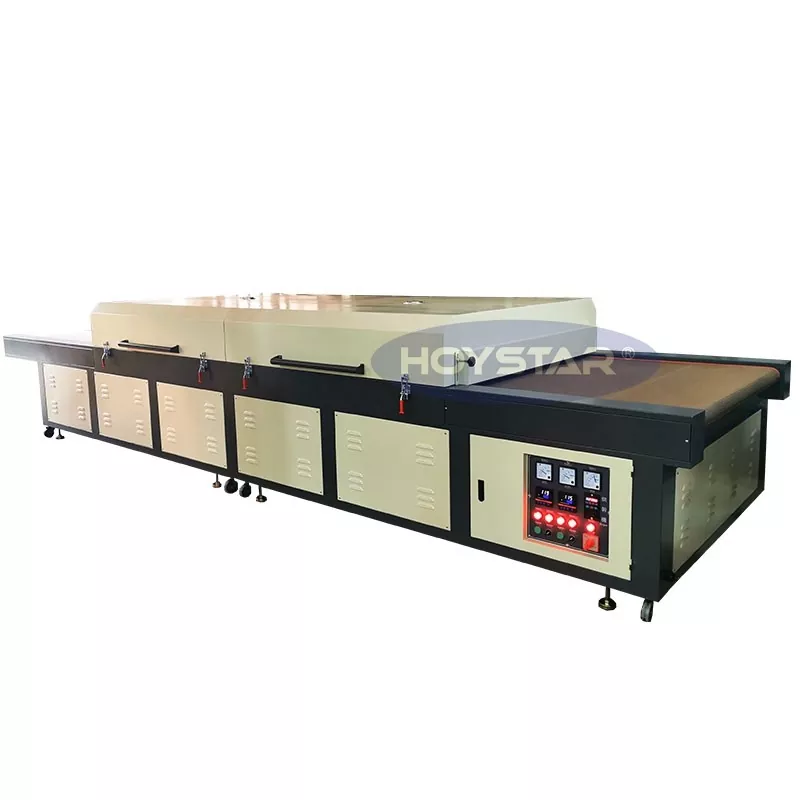
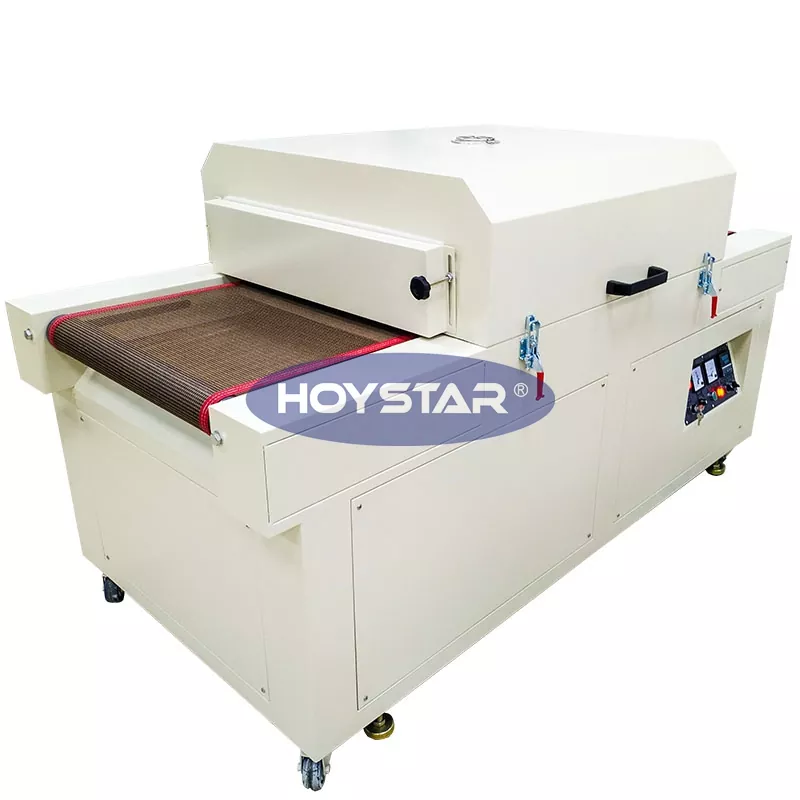
Buyers should also think about workflow outside the print station itself. Drying, curing, loading, unloading, and quality inspection all affect final productivity. A machine may print beautifully, but if it creates bottlenecks upstream or downstream, the line still struggles. The best purchasing decisions consider the complete process rather than one isolated unit.
To simplify evaluation, the table below compares the kinds of outcomes buyers usually care about. This is not about naming a universal winner. It is about matching the machine to the real production objective.
| Buyer Priority | Best-Fit Direction | Why It Helps |
|---|---|---|
| Reduce labor dependence | Automatic or semi-automatic systems | Helps standardize cycle timing and reduce manual handling effort |
| Improve repeat quality on flat parts | Flatbed configuration | Supports controlled positioning and reliable registration |
| Handle garment or fabric jobs better | Textile-oriented setup | Matches the needs of soft substrates and production repetition |
| Print cups, bottles, and tubes | Curved surface machine | Built for round-product holding, rotation, and better alignment |
| Run a niche product line efficiently | Specialized machine | Can improve output dramatically for a defined product category |
| Prepare for custom future projects | Customizable supplier support | Allows the machine solution to grow with changing orders |
The easiest mistake is buying based on one attractive feature while ignoring the rest of the workflow. A better method is to start with five questions. What products are being printed most often? What is the expected daily or monthly output? How many product sizes need to be handled? What level of automation is realistic for the budget? What support will be needed after installation?
Once those answers are clear, the machine shortlist becomes much easier. A smaller company doing varied custom runs may need flexibility more than maximum speed. A growing plant with repetitive high-volume orders may benefit more from automation and fixture efficiency. A supplier that can discuss application details in a practical way will usually be far more valuable than one that only repeats generic specifications.
This is where experience becomes important. A company like Dongguan Hoystar Machinery Co., Ltd. can be valuable not just because it offers equipment, but because it can help match machine type to substrate, product shape, and operating requirement. That kind of guidance helps buyers avoid overspending on complexity they do not need or underspending on a machine that will be outgrown too quickly.
Buyers often spend a great deal of time comparing machine specifications and not enough time comparing supplier reliability. That is risky. Even a capable Screen Printing Machine becomes frustrating when documentation is unclear, communication is slow, spare parts are difficult to arrange, or application advice stops after payment.
A dependable supplier should understand the production target, recommend a realistic setup, explain trade-offs honestly, and remain available when commissioning or process questions appear. That support can save far more money than a small difference in purchase price. Downtime, confusion, and bad machine matching are expensive in ways that are not always obvious on day one.
For buyers who want a practical path forward, working with an experienced manufacturer such as Dongguan Hoystar Machinery Co., Ltd. can make the decision process smoother. Instead of forcing a standard answer onto every customer, the better approach is to assess the job first and recommend equipment that aligns with actual production goals.
1. What industries commonly use a Screen Printing Machine?
It is widely used for textiles, packaging, promotional products, glass items, plastic parts, stationery, and many specialty products that require durable printed graphics or markings.
2. Is an automatic machine always better than a manual or semi-automatic one?
Not always. Automatic equipment is often a strong choice for high and repeatable volume, but smaller operations or mixed-product environments may benefit more from flexibility and lower setup complexity.
3. Can one Screen Printing Machine handle different product shapes?
Some machines can support multiple products with proper fixtures or adjustments, but highly different shapes usually require a more specialized setup for the best efficiency and print consistency.
4. What should buyers prepare before asking for a quotation?
It helps to provide product photos, dimensions, substrate details, print area, expected output, color requirements, and any special production concerns. Clear information leads to a better recommendation.
5. How important is after-sales support?
It is extremely important. Installation guidance, training, maintenance advice, and spare parts support all affect how quickly the machine begins delivering value in real production.
6. How can buyers reduce the risk of choosing the wrong machine?
Focus on the application first, not just the price or speed claim. A machine should match the product shape, materials, order volume, and workflow conditions of the factory.
If you are looking for a Screen Printing Machine that fits your products, output goals, and production workflow more precisely, now is the right time to take the next step. Dongguan Hoystar Machinery Co., Ltd. can help you explore suitable machine options, discuss custom requirements, and move toward a more stable and efficient printing process. Contact us today to talk about your application and request a solution tailored to your business.
Phone: +86-769-85377425
Mobile: +86-15913838969
E-mail: admins@hongyuan-pad.com
Address:No.3, Zhenglong Road, Hengzeng Street, ChanganTown, Dongguan city, Guangdong Province, China
Copyright © 2025 Dongguan Hoystar Machinery Co., Ltd. All Rights Reserved.