Follow Us:

News

How Does a Non-Standard Pad Printing Machine Solve Complex Industrial Printing Challenges

2026-01-26 0 Leave me a message

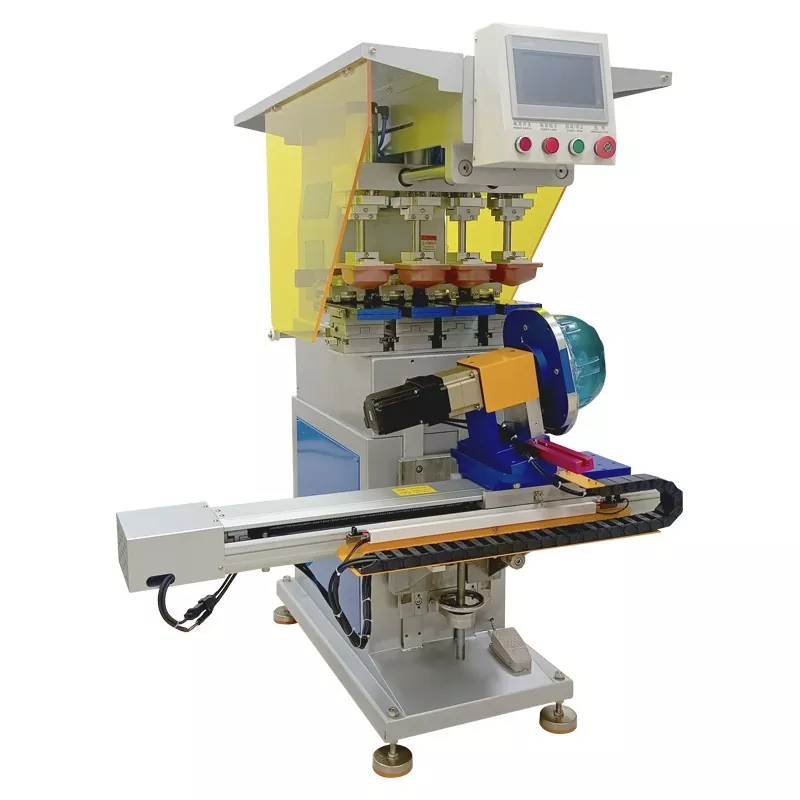
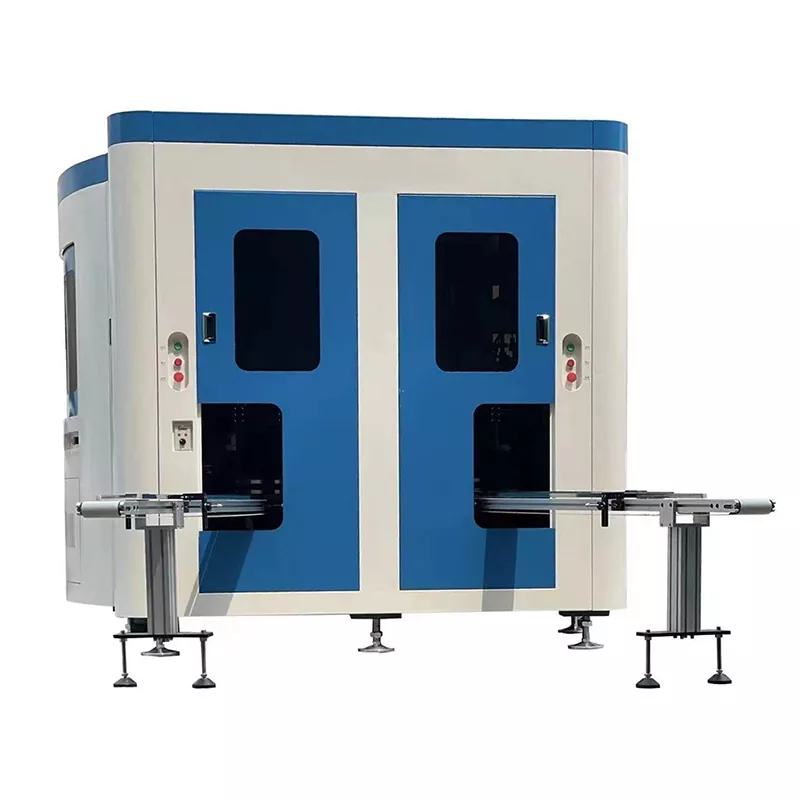
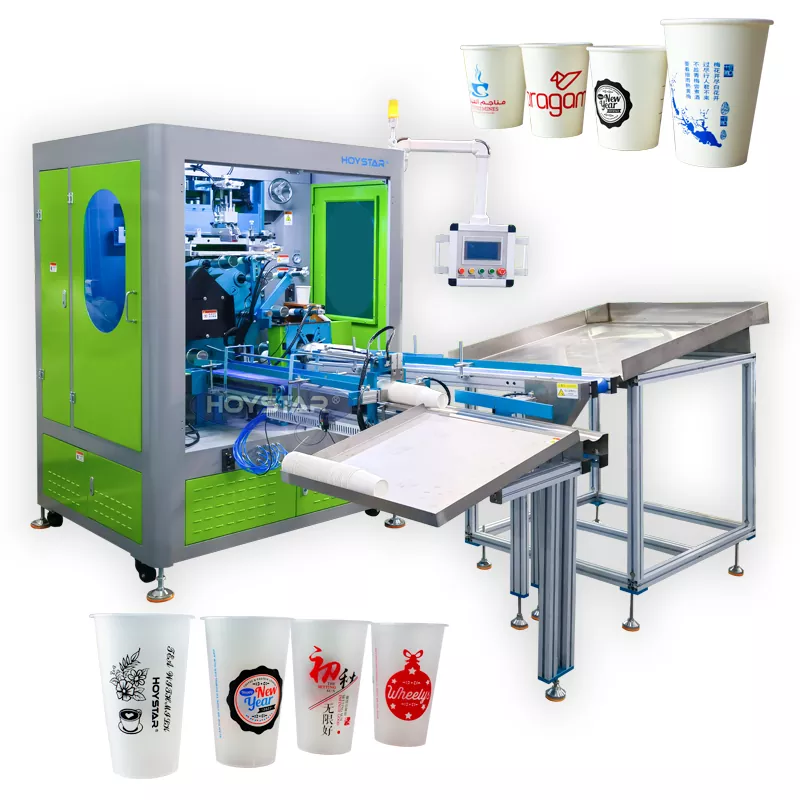
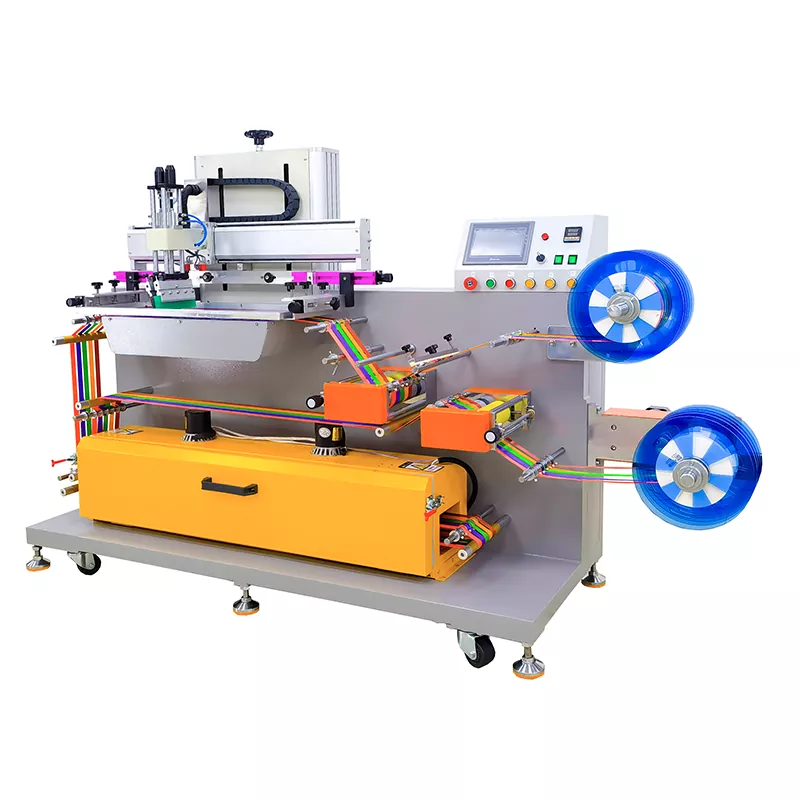
A Non-Standard Pad Printing Machine is a fully customized industrial printing solution designed to handle complex shapes, unconventional materials, and specialized production requirements that standard pad printers cannot manage. This in-depth guide explains how non-standard pad printing machines work, why they are essential for modern manufacturing, and how companies can leverage customized systems to improve accuracy, efficiency, and scalability.

Non-Standard Pad Printing Machine

Table of Contents


What Is a Non-Standard Pad Printing Machine?

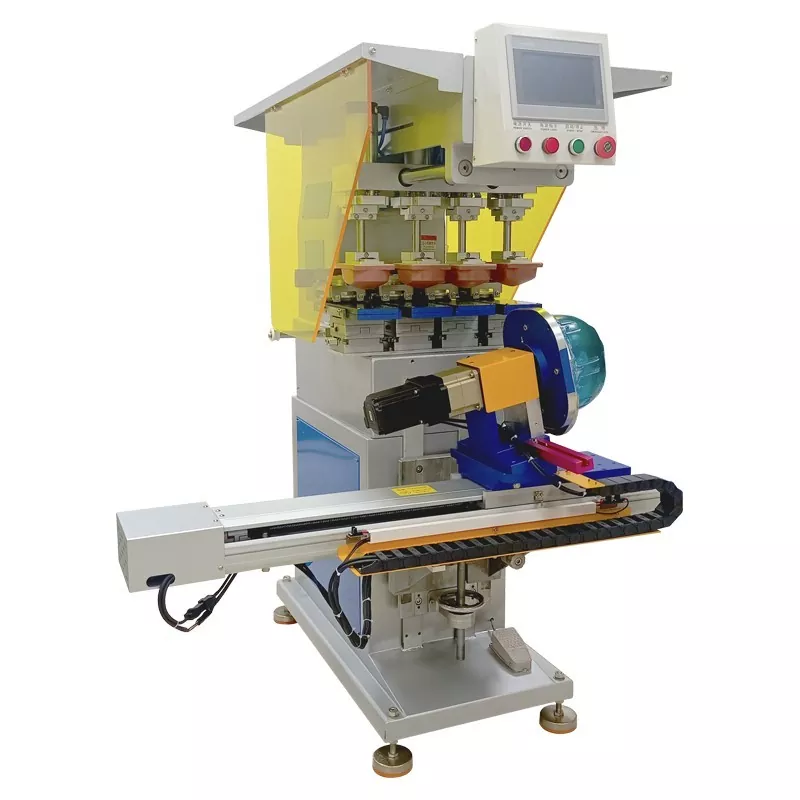
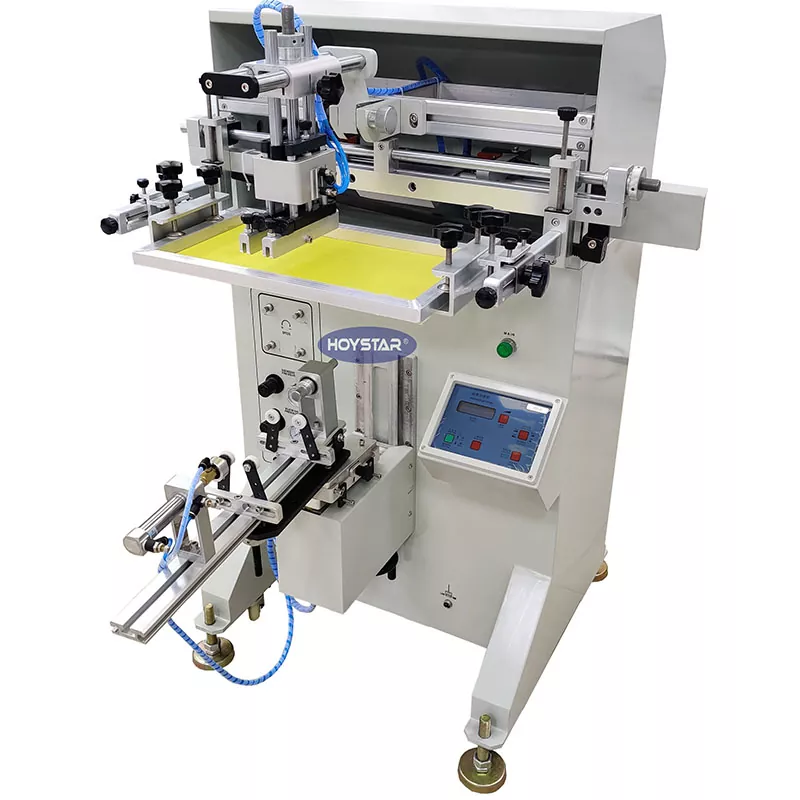
A Non-Standard Pad Printing Machine is a custom-engineered pad printer designed specifically for unique products, irregular geometries, complex fixtures, or special production workflows. Unlike off-the-shelf machines, non-standard systems are built around the customer’s product, process, and performance goals.

These machines often integrate advanced automation, multi-axis positioning, custom silicone pads, vision systems, and specialized ink management units. Manufacturers such as HOYSTAR develop non-standard pad printing machines to address challenges that conventional equipment simply cannot handle.


Limitations of Standard Pad Printing Machines

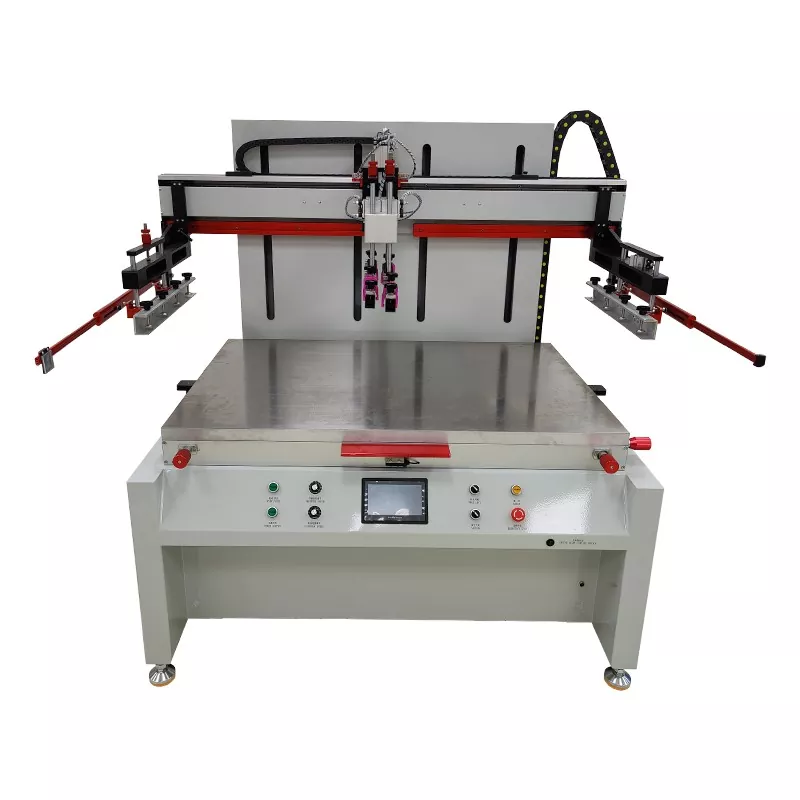
Standard pad printing machines are designed for general-purpose applications. While they are cost-effective and reliable, they struggle in advanced industrial scenarios.

  • Limited adaptability to irregular or asymmetric surfaces
  • Fixed stroke length and pad motion
  • Incompatibility with complex fixtures or jigs
  • Lower efficiency in high-mix, low-volume production
  • Difficulty integrating with automated production lines

When product complexity increases, these limitations result in poor print quality, higher scrap rates, and production bottlenecks.


How Non-Standard Pad Printing Machines Solve Industrial Challenges

1. Precision Printing on Irregular Shapes

Non-standard pad printing machines use customized pad geometry, programmable stroke paths, and multi-axis movement to accurately transfer ink onto curved, recessed, or uneven surfaces.

2. Fully Customized Fixtures and Jigs

Each machine is designed with product-specific fixtures that ensure repeatable positioning and stable printing, even for micro-components or flexible materials.

3. Seamless Automation Integration

Non-standard machines can be integrated with:

  • Robotic loading and unloading systems
  • Conveyor-based production lines
  • Vision inspection systems
  • MES and ERP systems

4. Multi-Color and Multi-Position Printing

Custom designs allow synchronized multi-color printing or multi-location printing in a single cycle, significantly improving productivity.


Key Customization Options in Non-Standard Pad Printing

Customization Area Description Business Benefit
Pad Shape & Material Custom silicone hardness and geometry Higher print accuracy
Machine Structure Rotary tables, linear tracks, or gantry systems Flexible production layouts
Control System PLC or servo-driven motion control Repeatable precision
Ink System Closed ink cups or special ink circulation Consistent color quality
Automation Interface Robots, conveyors, vision systems Reduced labor cost

Industries and Applications

Non-standard pad printing machines are widely used across industries requiring precision and flexibility:

  • Automotive interior and exterior components
  • Medical devices and disposable instruments
  • Consumer electronics and wearable devices
  • Household appliances and control panels
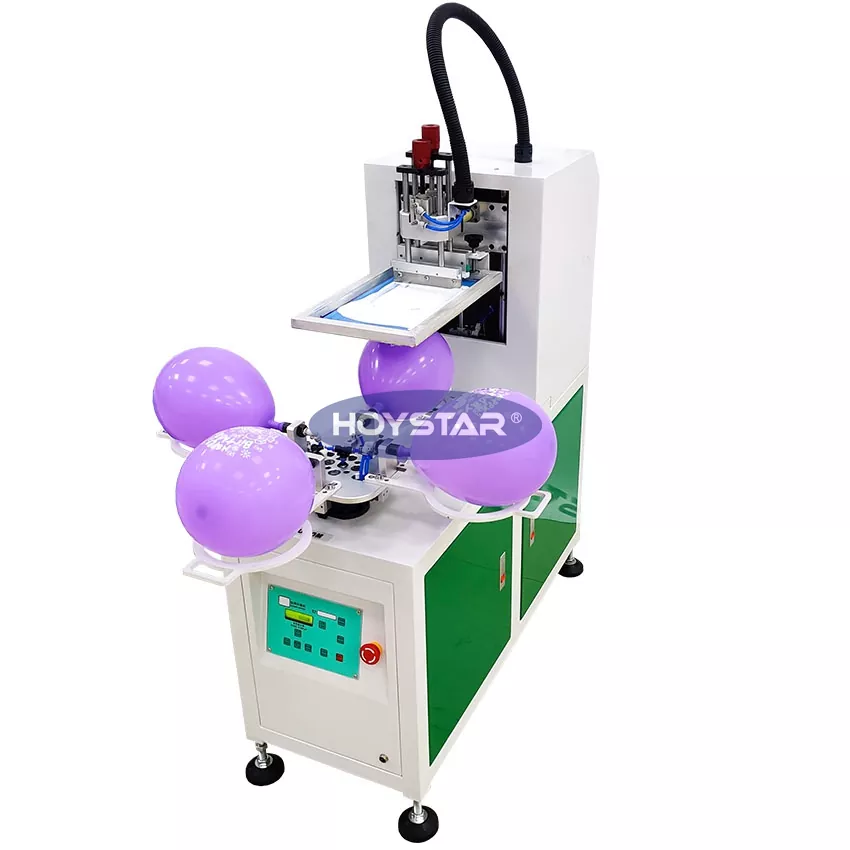
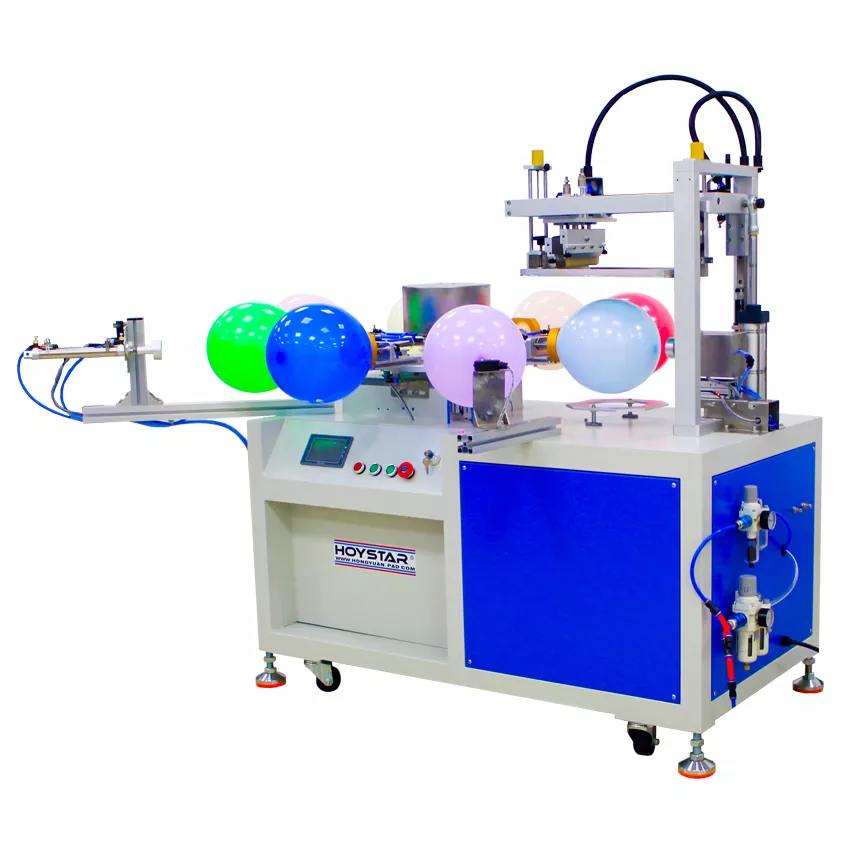
  • Promotional products with irregular shapes

In these industries, customized pad printing solutions enable consistent branding, regulatory compliance, and enhanced product aesthetics.


Non-Standard vs Standard Pad Printing Machines

Aspect Standard Pad Printer Non-Standard Pad Printing Machine
Flexibility Low High
Customization Limited Fully Customized
Automation Optional Fully Integrated
Initial Cost Lower Higher but scalable
Long-Term ROI Moderate High

Design and Development Process

  1. Product and process analysis
  2. Sample testing and feasibility study
  3. Custom mechanical and electrical design
  4. Prototype manufacturing
  5. Factory acceptance testing
  6. Installation and operator training

Experienced manufacturers like HOYSTAR ensure that each non-standard pad printing machine aligns precisely with the customer’s production goals.


SEO & AI-Optimized Manufacturing Advantages

From a digital marketing perspective, content around Non-Standard Pad Printing Machines performs well in AI-driven search results because it:

  • Answers specific industrial questions
  • Demonstrates technical authority
  • Supports long-tail keyword intent
  • Provides structured, scannable information

This makes non-standard equipment content highly suitable for Google featured snippets and AI-powered citations.


Frequently Asked Questions

What is the main advantage of a non-standard pad printing machine?

The main advantage is its ability to deliver consistent, high-quality prints on complex or unconventional products that standard machines cannot handle.

Is a non-standard pad printing machine suitable for small production volumes?

Yes. These machines are ideal for high-mix, low-volume production where flexibility and quick changeovers are critical.

How long does it take to build a non-standard pad printing machine?

Depending on complexity, the development cycle typically ranges from 6 to 16 weeks.

Can non-standard machines be upgraded in the future?

Absolutely. Modular designs allow future upgrades such as additional colors, automation modules, or vision inspection systems.


If your products require precision, flexibility, and scalable automation, a Non-Standard Pad Printing Machine may be the ideal solution. Partnering with an experienced manufacturer like HOYSTAR ensures long-term performance and reliable technical support.

Ready to optimize your printing process and gain a competitive edge? Contact us today to discuss your customized pad printing solution.

Related News
Leave me a message
X
We use cookies to offer you a better browsing experience, analyze site traffic and personalize content. By using this site, you agree to our use of cookies. Privacy Policy
Reject Accept