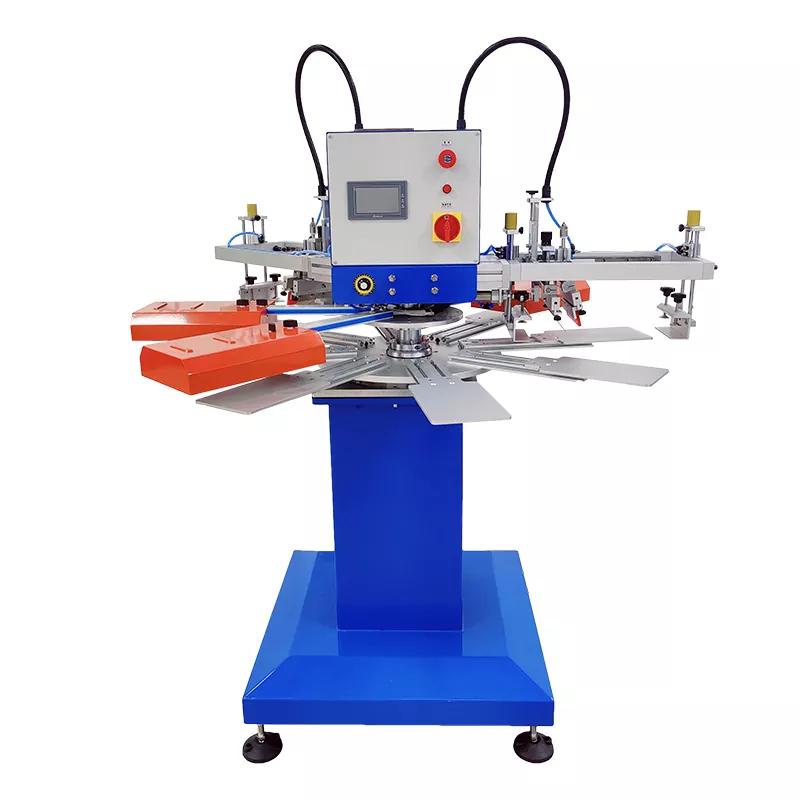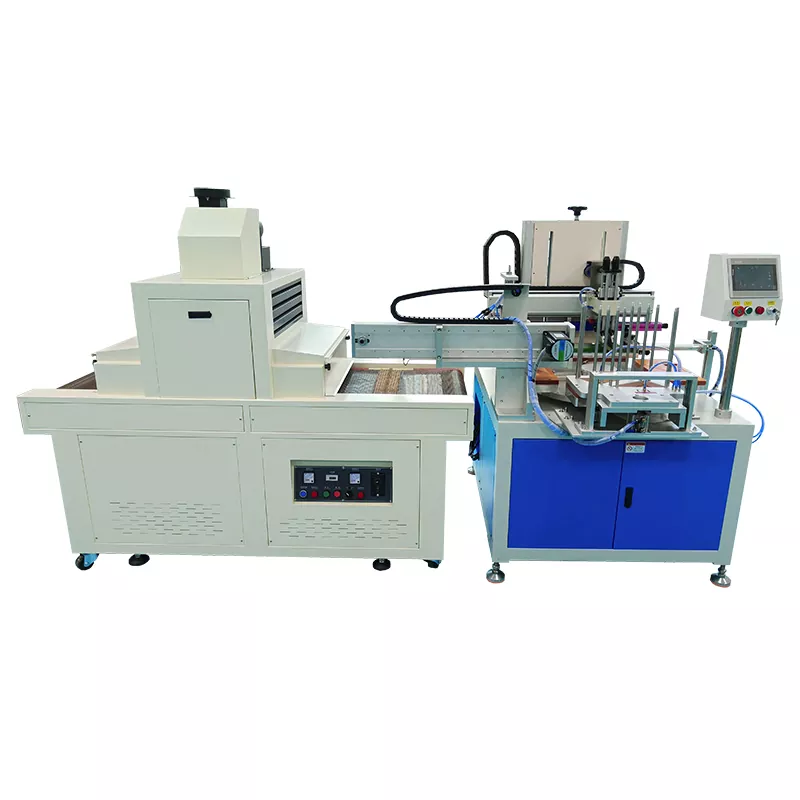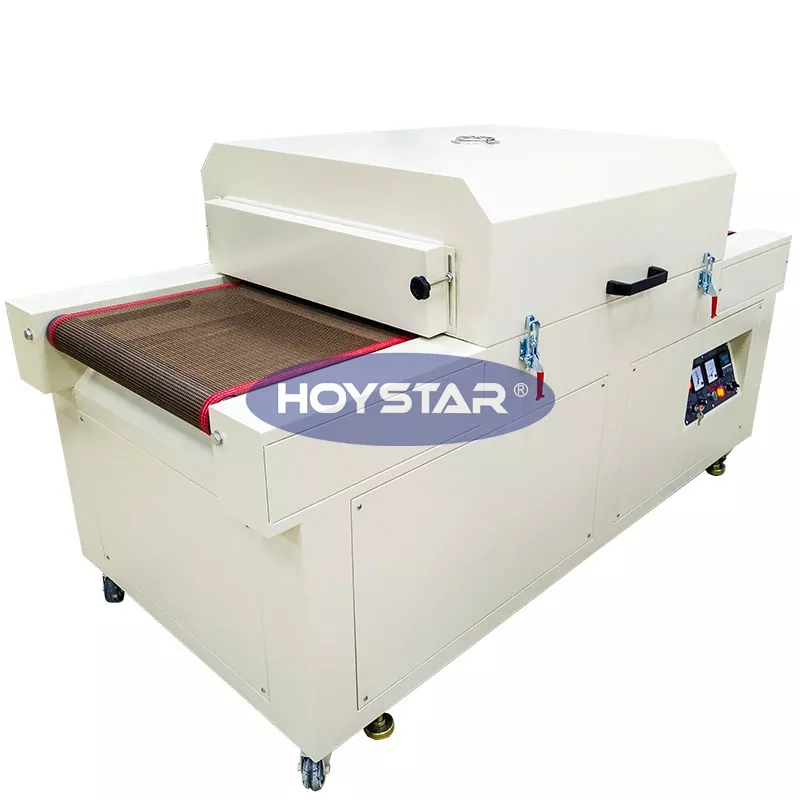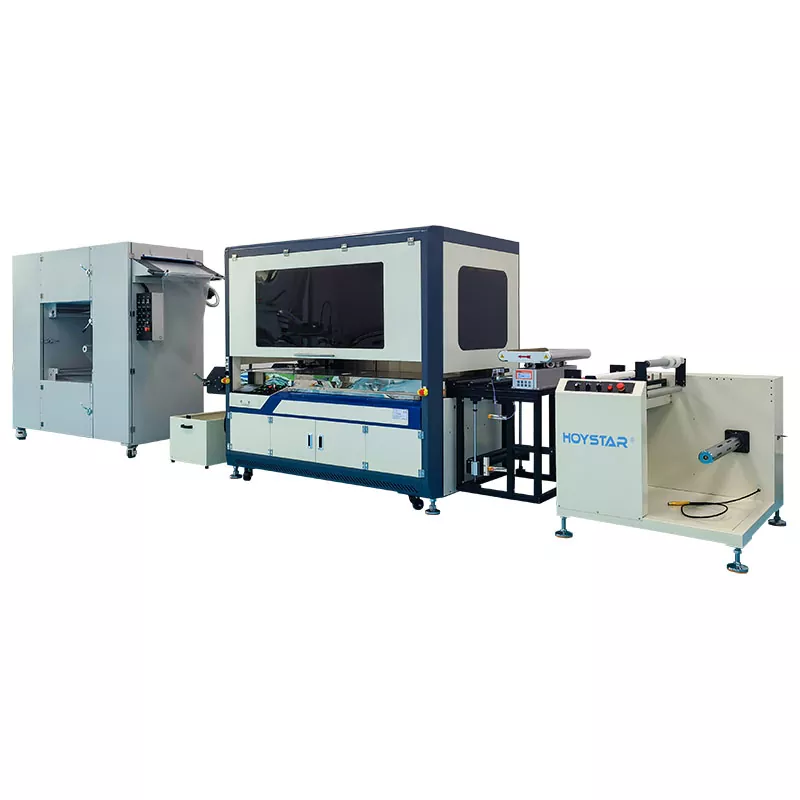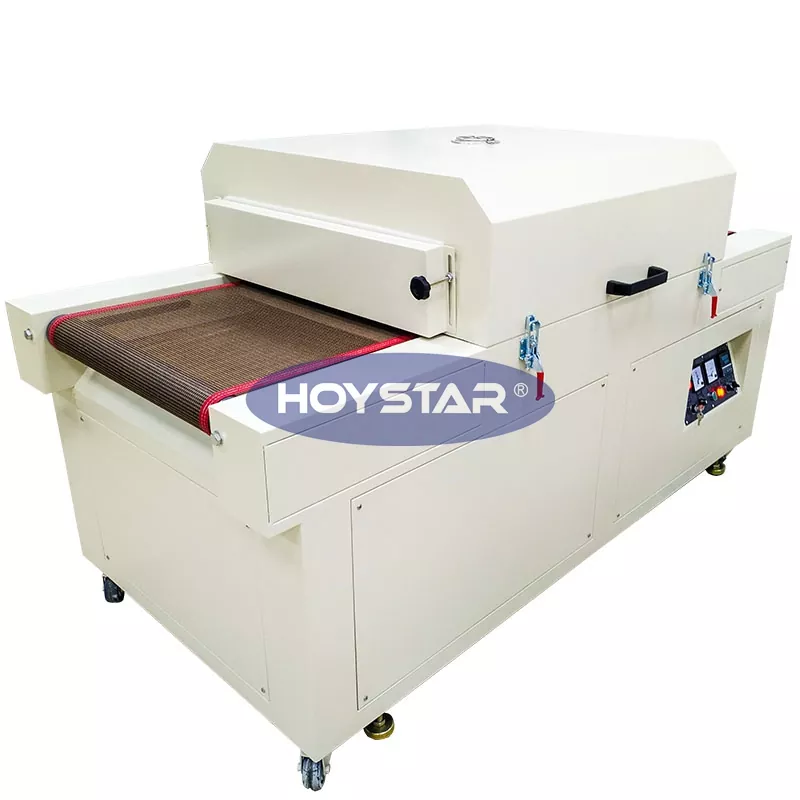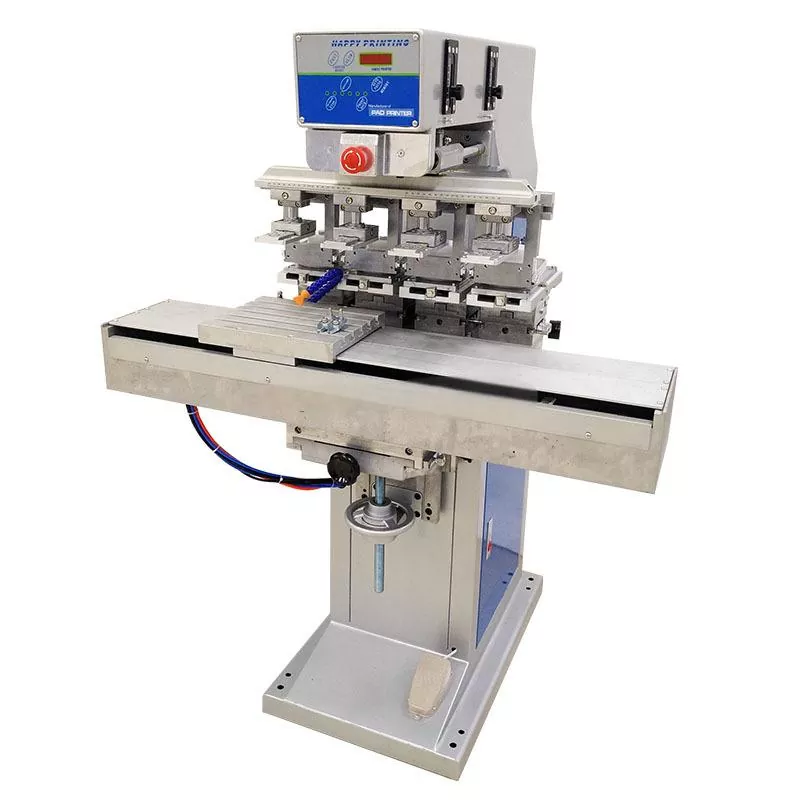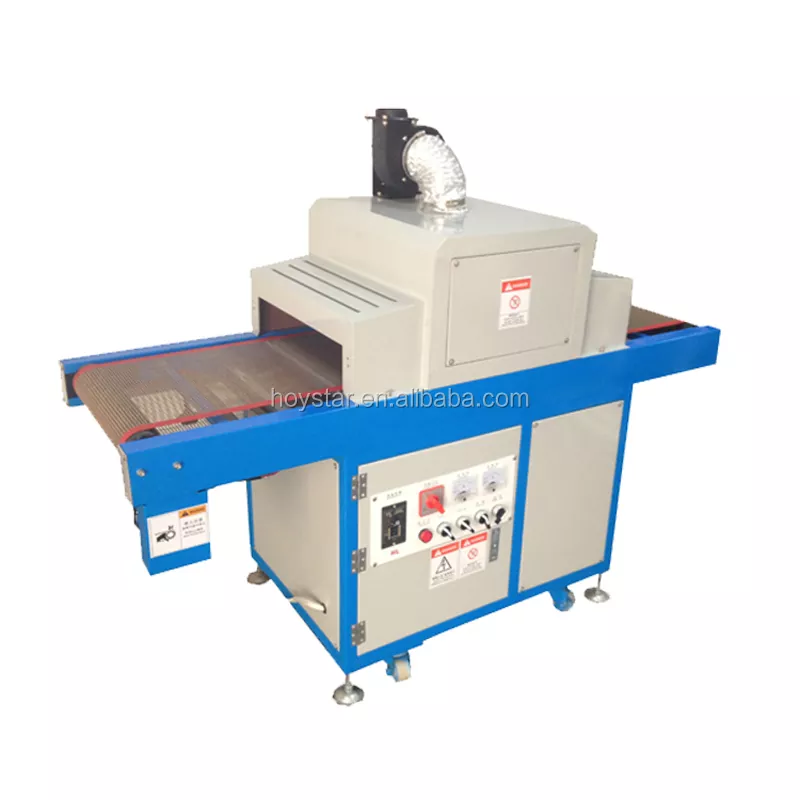
Printing teams often lose time, materials, and customer confidence because ink or coating does not dry evenly before the next production step. A well-matched Infrared Drying Machine can help solve slow curing, tacky surfaces, color transfer, unstable adhesion, and bottlenecks between printing and packing. This article explains how infrared drying works, where it fits in screen printing and pad printing workflows, what buyers should check before purchase, and how Dongguan Hoystar Machinery Co., Ltd. supports workshops that need practical, dependable drying solutions instead of guesswork.
- Identify common drying-related defects in printing production.
- Explain the working principle of infrared drying in plain language.
- Connect the Infrared Drying Machine to real workshop pain points.
- Compare infrared drying with natural air drying and hot-air drying.
- Provide a buyer-focused checklist for machine selection.
- Share practical operating advice for stable drying quality.
- Answer common questions from printing factories and purchasing teams.
Why Do Printed Products Still Fail After Printing Looks Good?
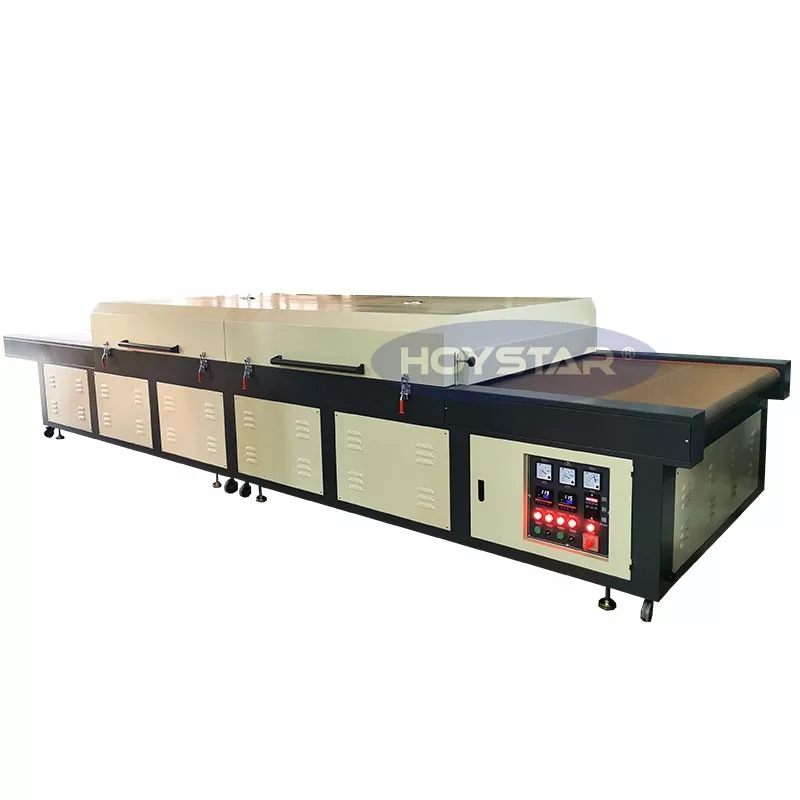
A print can look perfect when it leaves the screen printing machine or pad printing machine, yet still fail a few minutes later. The ink may feel dry on the surface but remain soft underneath. A logo may pass visual inspection, then smear during stacking. A printed T-shirt may look bright on the production table, then show poor wash resistance because the curing process was not complete. These are not small problems. They create rework, delayed delivery, extra labor, wasted materials, and awkward conversations with customers.
Many workshops first try to solve drying problems by waiting longer. That sounds simple, but it often turns drying into a hidden production cost. Printed items occupy racks, operators move products more carefully than necessary, and every batch depends on room temperature, humidity, ink thickness, and operator judgment. When order volume increases, this “wait and see” method becomes unreliable.
This is where an Infrared Drying Machine becomes valuable. Instead of relying mainly on surrounding air to slowly remove moisture or activate curing, infrared drying directs heat energy toward the printed surface. For printing factories that deal with variable materials, tight deadlines, or limited workshop space, that difference can change the rhythm of the entire production line.
How Does an Infrared Drying Machine Work Without Overcomplicating Production?
An Infrared Drying Machine uses infrared radiation to transfer heat to the product surface. In practical terms, operators do not need to heat the whole room or wait for air to carry heat slowly to the ink layer. The infrared source helps the printed area absorb heat more directly, which can support faster drying, better surface stability, and more predictable processing.
For many printing applications, the real advantage is not just speed. It is control. A suitable infrared dryer allows the workshop to manage belt speed, heating intensity, drying distance, and exposure time according to the material and ink system. This means a thin logo on plastic, a large print on textile, and a coated surface on paper should not be treated in exactly the same way.
In screen printing and pad printing, the drying stage sits between “product looks finished” and “product is truly ready.” If the machine is too weak, production slows down. If the heat is too aggressive, the product may deform, discolor, shrink, or lose surface quality. A properly selected Infrared Drying Machine helps create a controlled middle path: enough heat to support curing, but enough adjustment to protect the material.
Which Production Pain Points Can Infrared Drying Reduce?
Buyers usually do not search for an Infrared Drying Machine because they want another piece of equipment in the workshop. They search because something in production is not smooth. The machine is a solution only when it answers a real problem.
- Slow drying between process steps: When printed goods cannot move quickly to inspection, packaging, or secondary processing, the drying stage becomes the bottleneck.
- Smearing during handling: If products look dry but transfer ink during stacking or movement, infrared drying can help improve surface readiness before handling.
- Uneven drying across the product: Large printed areas, thick ink layers, or inconsistent manual placement can lead to patchy results without controlled drying.
- Too much dependence on weather: Humidity and seasonal temperature changes can make natural drying unpredictable.
- Limited workshop space: Long drying racks take up space. Conveyor-type infrared drying can help create a more compact and continuous workflow.
- Inconsistent quality from shift to shift: Adjustable machine settings help reduce reliance on individual operator habits.
These pain points are especially common in printing businesses that handle mixed orders. One day the workshop may print T-shirts, the next day plastic parts, and the next day paper, stickers, packaging materials, or promotional products. A flexible Infrared Drying Machine gives production managers a more stable way to handle this variety.
Where Can an Infrared Drying Machine Be Used?
The application range depends on machine size, heating configuration, conveyor design, and temperature control. In printing-related production, infrared drying is commonly considered for screen printing, pad printing, textile printing, inkjet-related drying, coating drying, adhesive heat setting, and drying after surface decoration.
| Application Area | Common Products | Main Drying Concern | How Infrared Drying Helps |
|---|---|---|---|
| Textile Printing | T-shirts, fabric panels, gloves, labels | Ink curing, wash resistance, production speed | Supports controlled heat exposure for printed fabric surfaces |
| Screen Printing | Plastic sheets, glass, paper, metal panels, signs | Smearing, uneven drying, slow rack storage | Helps printed surfaces reach handling readiness more consistently |
| Pad Printing | Toys, electronic parts, tools, curved items | Small-area ink transfer and adhesion stability | Provides targeted drying support after fine-detail printing |
| Packaging and Promotional Products | Gift items, cards, boxes, displays | Fast order turnover and clean surface finish | Reduces waiting time before packing and shipment |
| Industrial Surface Processing | Aluminum sheets, coated parts, plastic components | Coating dryness and production continuity | Supports continuous drying when paired with conveyor handling |
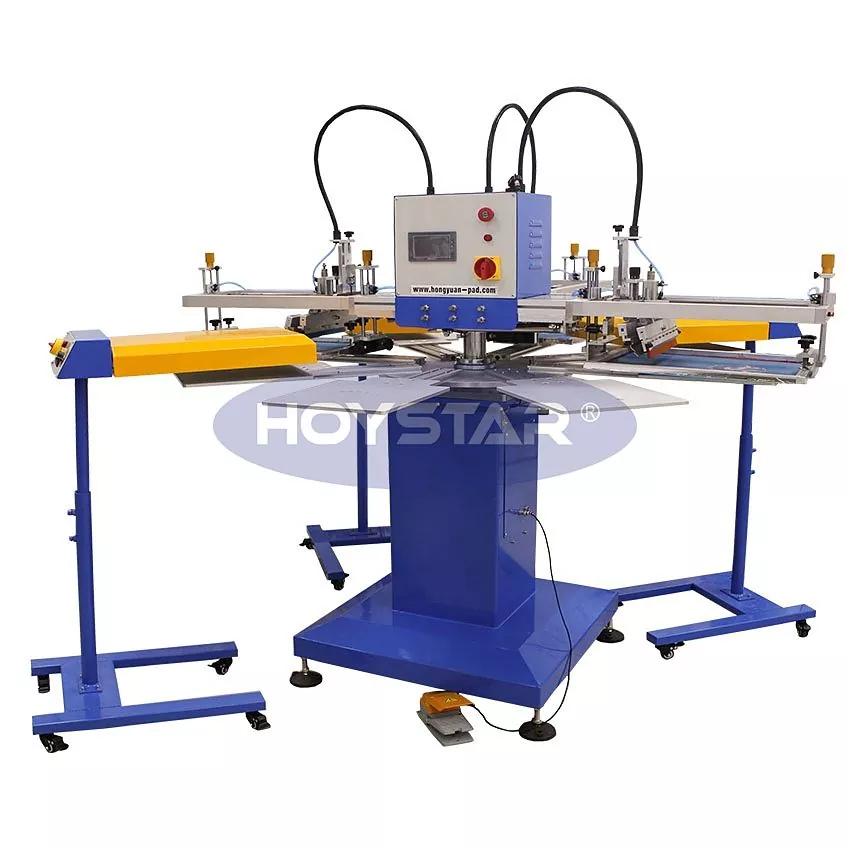
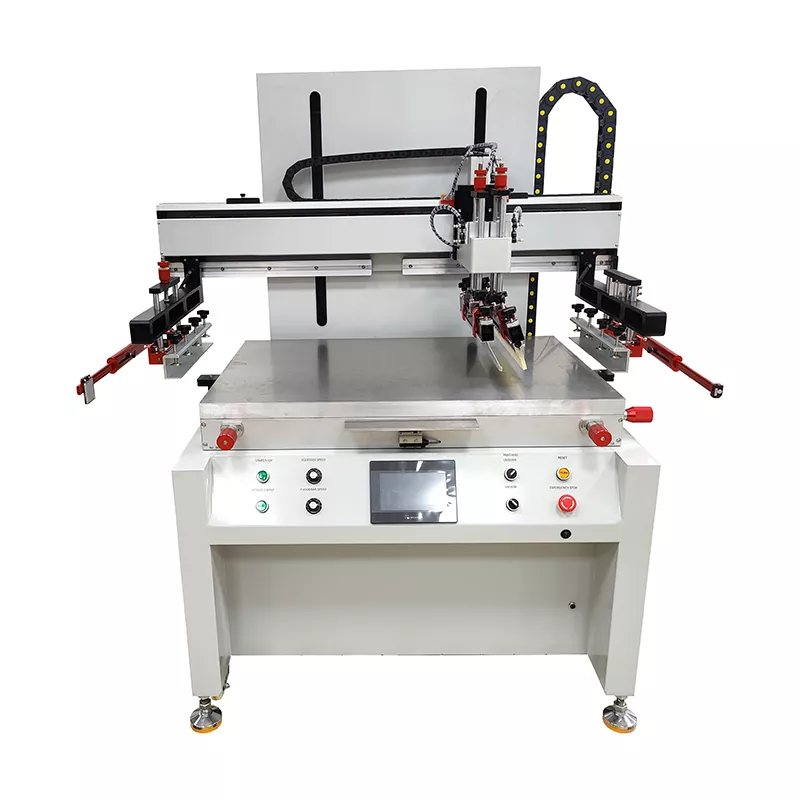
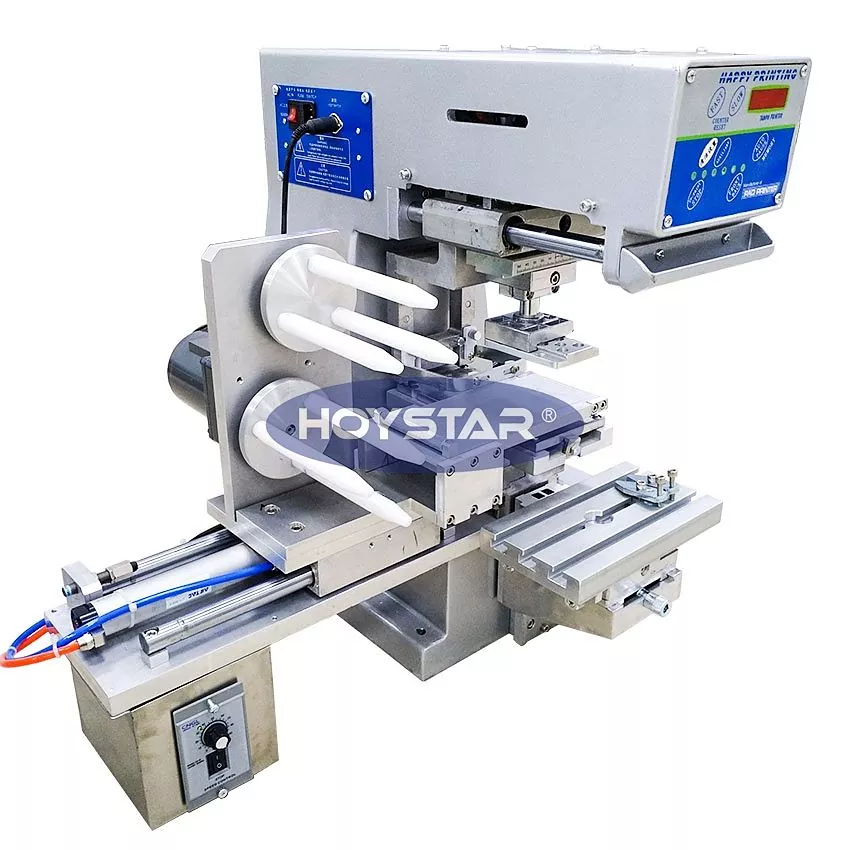
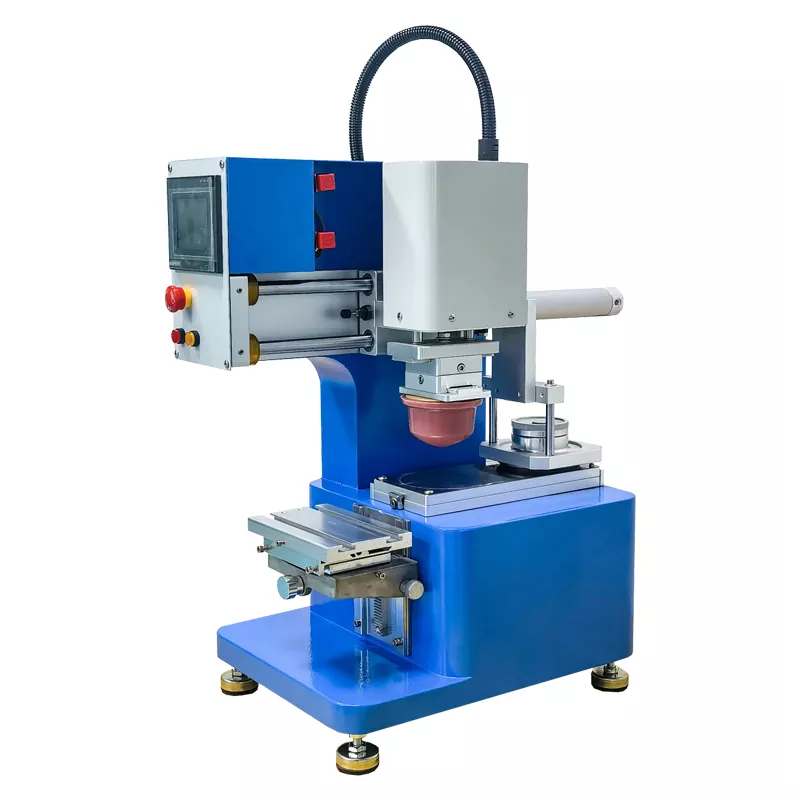
Dongguan Hoystar Machinery Co., Ltd. works in printing machinery and related drying equipment, so the company understands that drying is not an isolated step. It is closely connected with printing speed, operator workflow, ink behavior, product size, and final inspection standards.
What Should Buyers Check Before Choosing a Machine?
A purchasing decision should begin with production reality. The wrong dryer may still produce heat, but it may not solve the buyer’s actual problem. Before choosing an Infrared Drying Machine, buyers should collect a few key details from their workshop.
- Product size: Measure the largest and smallest products that need drying. The heating area and conveyor width should match real production, not only catalog pictures.
- Material type: Textile, plastic, paper, glass, aluminum, and coated products respond differently to heat. Some materials need gentle control, while others can tolerate stronger drying conditions.
- Ink or coating system: Different inks require different drying or curing behavior. Water-based ink, solvent-based ink, plastisol ink, adhesive, and coating layers should be considered separately.
- Output target: A small workshop making short runs may need compact equipment, while a continuous line may need a conveyor-type infrared dryer with stable speed control.
- Available space: The machine should fit the workflow. Operators need room for loading, unloading, inspection, and maintenance.
- Power and safety requirements: Electrical configuration, heat protection, emergency controls, ventilation, and operator safety should be checked before installation.
- Adjustment range: Temperature control, belt speed, heating height, and modular heating zones can make the equipment more adaptable.
Buyers should also avoid one common mistake: assuming that higher temperature always means better drying. In printing production, excessive heat can damage products, cause distortion, affect color, or create surface defects. Good drying is not brute force. Good drying is controlled energy applied in the right amount for the right time.
Which Drying Method Makes More Sense for Your Workshop?
Different drying methods can work, but they solve different levels of production pressure. The table below gives a practical comparison for purchasing teams.
| Drying Method | Best Fit | Strengths | Limitations |
|---|---|---|---|
| Natural Air Drying | Very small batches, low urgency, simple products | Low equipment cost and easy setup | Slow, space-consuming, sensitive to humidity and temperature |
| Hot-Air Drying | Products that need general warm airflow | Useful for some broad drying needs | May heat surrounding air more than the printed surface and can take longer |
| Infrared Drying | Printing lines that need faster, more controlled drying | Direct heat transfer, adjustable process control, suitable for continuous production | Requires correct machine selection and proper parameter setup |
| UV Curing | UV ink and UV coating systems | Fast curing when matched with compatible materials | Not suitable for all inks or substrates |
For workshops that use conventional inks or coatings and need a balanced solution between drying speed, production control, and material adaptability, an Infrared Drying Machine is often a practical choice. It does not replace every curing technology, but it can become the dependable drying bridge that keeps orders moving.
How Can Operators Get More Stable Drying Results?
Even a good machine needs good operating habits. Stable drying comes from repeatable settings, clean equipment, and careful observation. A workshop should not rely on memory alone. Once the team finds a successful setting for a product, that setting should be recorded.
- Create a drying parameter sheet: Record product name, material, ink type, temperature setting, belt speed, and drying result.
- Test before mass production: Run a small batch before full production, especially when changing ink, material, or print thickness.
- Check the real product temperature: Machine temperature and product surface temperature are not always the same.
- Avoid overcrowding on the conveyor: Too many products placed too closely can affect heat exposure and airflow.
- Keep heating areas clean: Dust, ink residue, or blocked areas can reduce drying consistency.
- Train operators to recognize defects: Gloss change, tackiness, odor, deformation, and color shift may indicate incorrect drying conditions.
A reliable Infrared Drying Machine should make production easier, not more confusing. When operators understand how settings affect results, they can respond quickly instead of repeating trial-and-error every day.
Why Does Supplier Experience Matter?
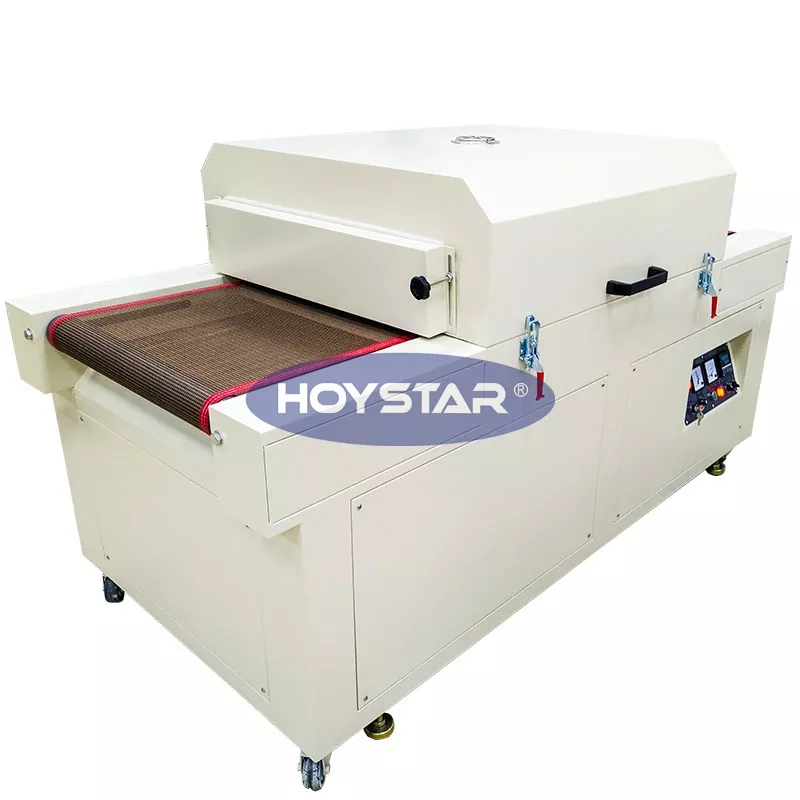
Drying equipment looks simple from the outside, but printing workshops know the details are rarely simple. A buyer may ask for a dryer, but what they actually need is a drying process that fits the product, ink, speed, and floor layout. That is why supplier experience matters.
Dongguan Hoystar Machinery Co., Ltd. can support buyers by helping them think through machine type, heating area, conveyor design, and production compatibility. For companies that already operate screen printing or pad printing equipment, this kind of support can reduce the risk of buying a dryer that looks suitable online but struggles in real production.
Good supplier communication should include clear questions. What product are you printing? What material is it made of? What is the maximum size? Which ink or coating do you use? How many pieces do you need per hour? Are there any heat-sensitive areas? Do you need a compact desktop-style solution or a larger conveyor-type drying line? These questions help turn a general Infrared Drying Machine inquiry into a useful equipment recommendation.
FAQ
An Infrared Drying Machine is used to dry or support curing after printing, coating, painting, inkjet processing, adhesive application, or similar surface treatment. In printing production, it is often used after screen printing or pad printing to help products become ready for handling, inspection, or packaging.
Depending on the machine configuration and process settings, infrared drying can be used for textiles, paper, plastic parts, glass, aluminum sheets, coated surfaces, labels, packaging products, promotional items, and printed industrial components. The material’s heat tolerance should always be checked before mass production.
Hot-air drying depends heavily on warmed air surrounding the product, while infrared drying transfers heat energy more directly toward the product surface. This can make infrared drying more suitable for workshops that need faster response, controlled exposure, and continuous production flow.
It is best to provide product size, material, ink or coating type, expected output, voltage requirement, available workshop space, and photos or videos of the current production process. These details help the supplier recommend a more suitable Infrared Drying Machine.
Heat-sensitive products need careful testing. Buyers should choose equipment with adjustable temperature, controllable conveyor speed, and suitable heating distance. A small trial can help confirm whether the drying result is stable before full production.
Printing factories, textile printing workshops, packaging producers, promotional product manufacturers, and industrial surface processing companies can benefit when drying speed, consistency, and production flow are important. The value is especially clear when manual drying or rack drying causes delays.
What Should You Do Next If Drying Is Slowing Down Your Orders?
If your printed products still smear, stack poorly, dry unevenly, or take too long before packaging, the problem may not be your operators. It may be that your drying process has not kept up with your printing capacity. A suitable Infrared Drying Machine can help your team build a cleaner, faster, and more predictable workflow.
Dongguan Hoystar Machinery Co., Ltd. can help you review your product size, material, ink system, production speed, and workshop layout, then suggest a drying solution that fits real production instead of forcing your line to adapt to the wrong machine. For a tailored recommendation, quotation, or process discussion, please contact us and share your current drying challenge with our team.